Qi2.2-certified products rose from 69 in August 2025 to more than 600 by July 2026 — nearly a ninefold jump in eleven months. The number is striking, but the more telling shift is that certification is moving out of third-party labs and into the accessory makers' own engineering centers. Belkin, a WPC member since 2015, runs a WPC-certified lab at its California headquarters and does durability and real-world testing at engineering centers in mainland China and Taiwan. Going from shipping samples out for testing to running pre-certification on the production line is usually the moment an industry leaves the early-adopter phase behind.
Q: Why is moving certification capability in-house such a hard signal of maturity?
A: Under the old model, a maker shipped samples to a handful of authorized labs and waited in line; any design change meant rejoining the queue. Now leading brands keep the test benches inside their own centers, so they can run Qi2.2's mandatory compatibility, thermal, and foreign-object-detection checks during design and fix issues on the spot. Belkin was also picked for the small group of manufacturers WPC lets pre-test and certify before a standard formally launches — its lines were already running to the new rules before the standard fully landed. That matters most for complex builds like 3-in-1 chargers and multi-device stations, where multi-coil, multi-device compatibility testing eats the most time.
Q: Beyond the 600-plus count, what does the product mix reveal?
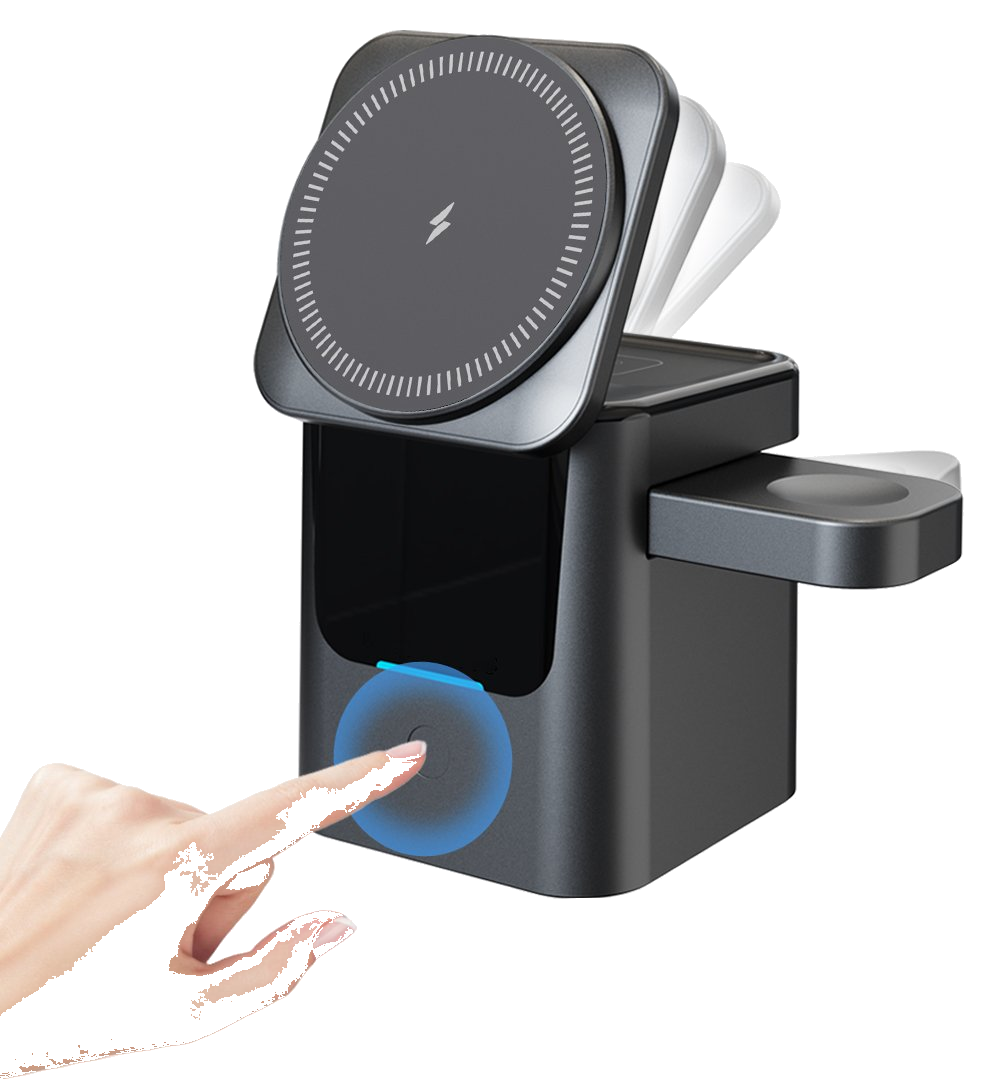
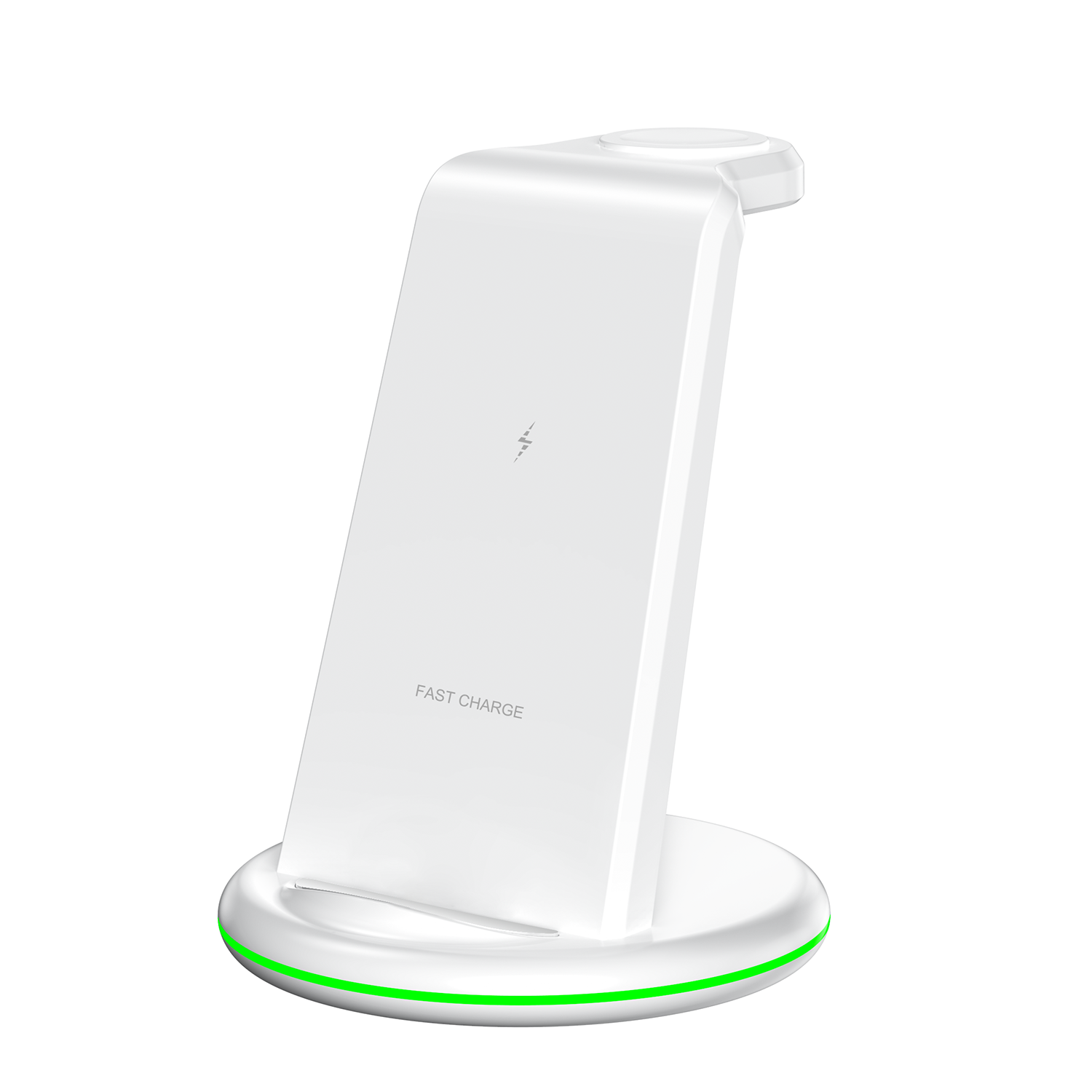
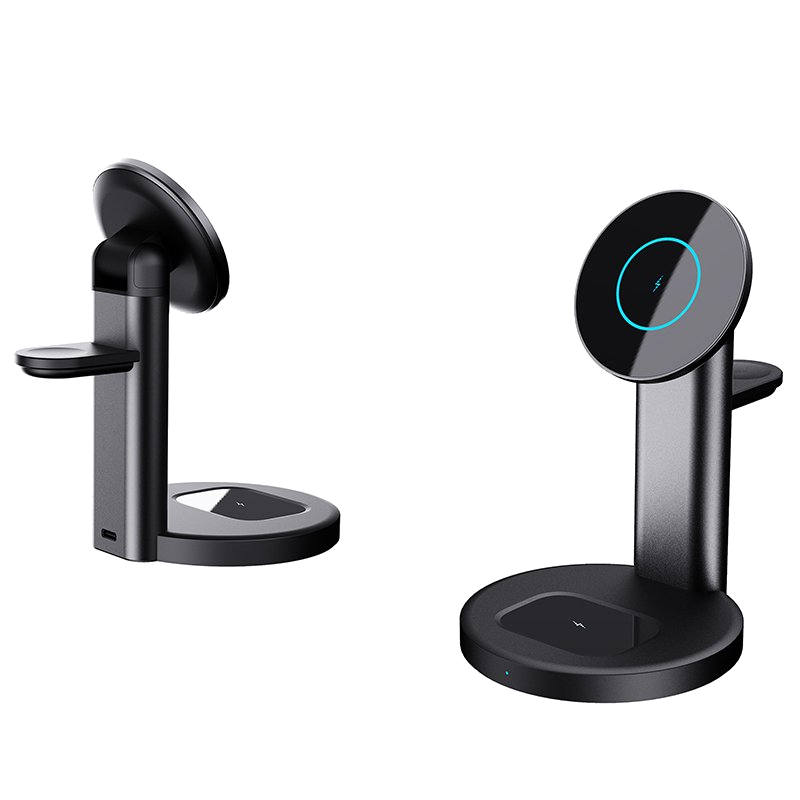
A: In ChargerLAB's breakdown of the WPC database, multi-device stations (3-in-1 and 4-in-1) remain the largest certified category, followed by desktop pads, magnetic power banks, and car mounts. That structure shows buyers no longer want one pad per device — they want one station that feeds phone, watch, and earbuds at once. Embedded charging for homes and public spaces is still a small slice, but cafés, hotels, and airports hiding charging inside furniture is a quiet, high-certainty second curve.
Q: Who is moving fastest on the certification leaderboard?
A: In that same survey, Loowoko topped the chart with 22 certified products, all concentrated in magnetic power banks; Spigen followed with 18; Apple, Belkin, and UGREEN each held 12 to form the next tier; and Baseus, ESR, and others sat above 7. A telling detail: power banks, driven by travel demand and fast refresh cycles, became the most crowded certification race — and in doing so pulled upstream modules, magnetic sheets, and control chips into higher volume.
Q: What does this mean for everyday buyers and procurement teams?
A: The most direct payoff of in-house certification is fewer defects and faster product cycles. When a factory can pre-test on its own line, batch consistency improves, and bulk deployments in public spaces can write WPC certification and thermal testing into acceptance criteria instead of trusting a sticker. Both supply and sales are pushing forward: upstream players drive down the cost of GaN and shielding sheets, while downstream turns magnetic wireless chargers from phone accessories into standard fixtures in homes and cars. Trusting Qi2 or Qi2.2 certification beats trusting a logo every time.
Q: What should we expect in the second half of 2026?
A: The WPC database's growth curve has not flattened, and several analysts project certified products will pass 1,000 by year-end, with the gains led by automotive and industrial multi-device solutions. ChargerLAB's World Wireless Charging Conference on August 20 will also put chipmakers, module makers, carmakers, and home-furniture buyers at the same table. For the industry, the fact that certification labs are moving into factories may be worth more than another few hundred products — it means magnetic wireless charging has finally moved from hype to dependable delivery.
This article is originally published by Shanwu. Please credit the source when reposting.
Copyright © 2026 Shanwu. All Rights Reserved.