The 2026 World Wireless Charging Conference, organized by ChargerLAB, opens its online livestream on August 20 and covers the entire supply chain. As a mid-year bellwether, this year's conversation has shifted from whether wireless charging is useful to where exactly the next wave of growth will land. By putting chipmakers, module and accessory brands, and car, home, and industrial buyers at the same table, the event itself signals that wireless charging has grown from a phone accessory into a cross-industry power topic.
Q: What is the hottest thread at this year's conference?
A: Magnetic alignment plus 25W finally going mainstream. Qi2.2 raised the peak from 15W to 25W, about a 67% jump, and locked in the magnetic alignment structure. In the WPC certification database, Qi2 devices grew from a dozen or so in early 2024 to more than 80 by early 2026, with the Android share climbing from 8% to 34%. Magnetic wireless chargers are no longer an iPhone privilege; the door to cross-brand interoperability is open.
Q: Will power keep climbing?
A: Yes, but through open standards rather than proprietary protocols. Xiaomi, with the domestic supply chain, pushed a 50W proposal into the WPC core draft, and the June 2026 Beijing meeting already ran interoperability tests on prototypes. Still, 50W targets in-car, desktop, and industrial high-power use, while phones stay on 25W for now. Don't be swayed by peak numbers in marketing copy; an open standard is what pays off long term.
Q: What worries exporters most right now?
A: Compliance thresholds jumped almost overnight. From 2026, EU CE marking is mandatory under EN IEC 63563, and products without Qi2 certification cannot clear customs. On top of that, the eco-design regulation caps standby power at 0.5W and mandates USB-C interoperability, hitting always-on wireless chargers in homes and public spaces first. The upside is that one IEC/EN test report covers multiple markets, which actually lowers repeat-certification cost.
Q: Beyond phones, where else is the market quietly growing?
A: Two lines — embedded charging in homes and public spaces, and medium-to-high-power systems. Cafés, hotels, and airports are hiding charging inside desks and furniture, turning embedded deployment into new infrastructure. Meanwhile, cars, drones, underwater gear, and industrial mobile robots are adopting medium-to-high-power wireless power, moving park-and-charge, start-without-plugging from concept to production line. Both point to the same idea: wireless charging is shifting from accessory to infrastructure.
Q: What should everyday buyers and procurement teams take from this conference?
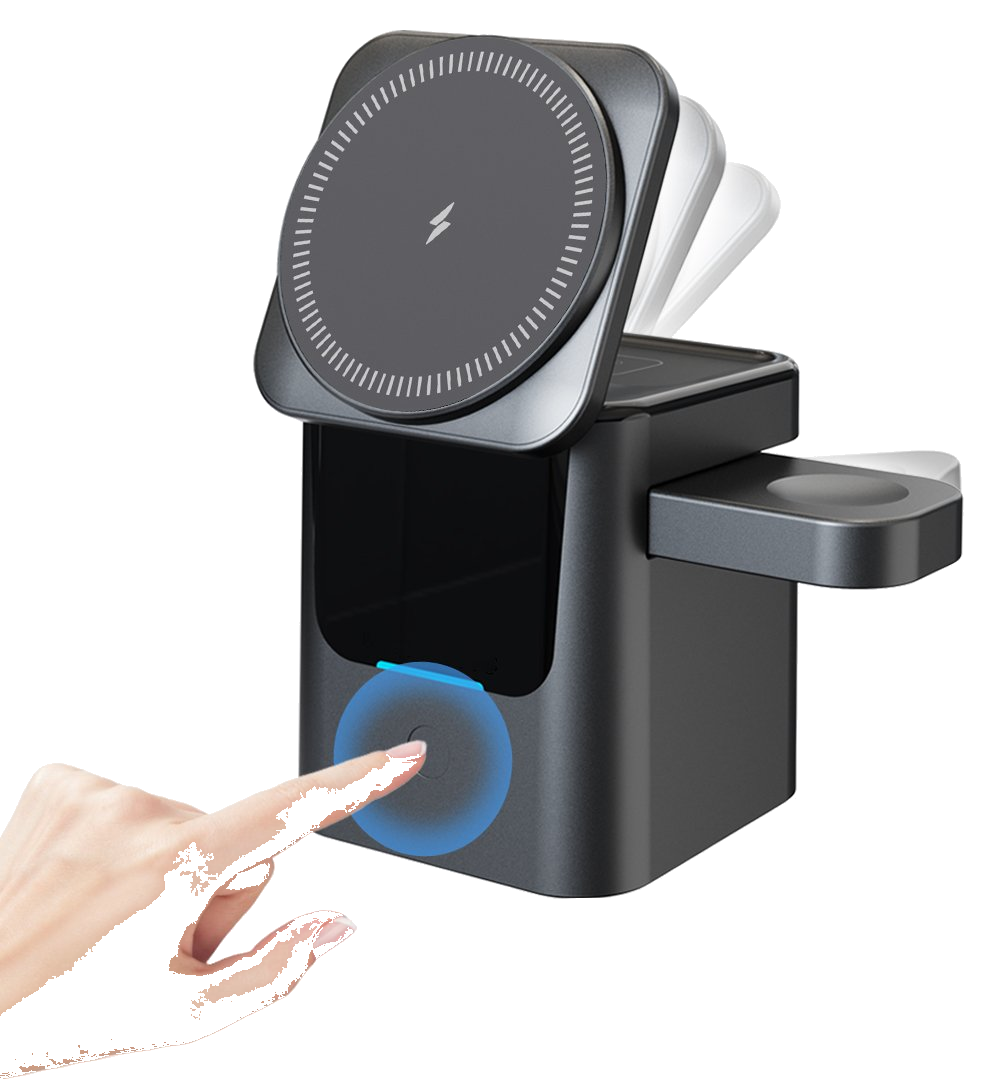
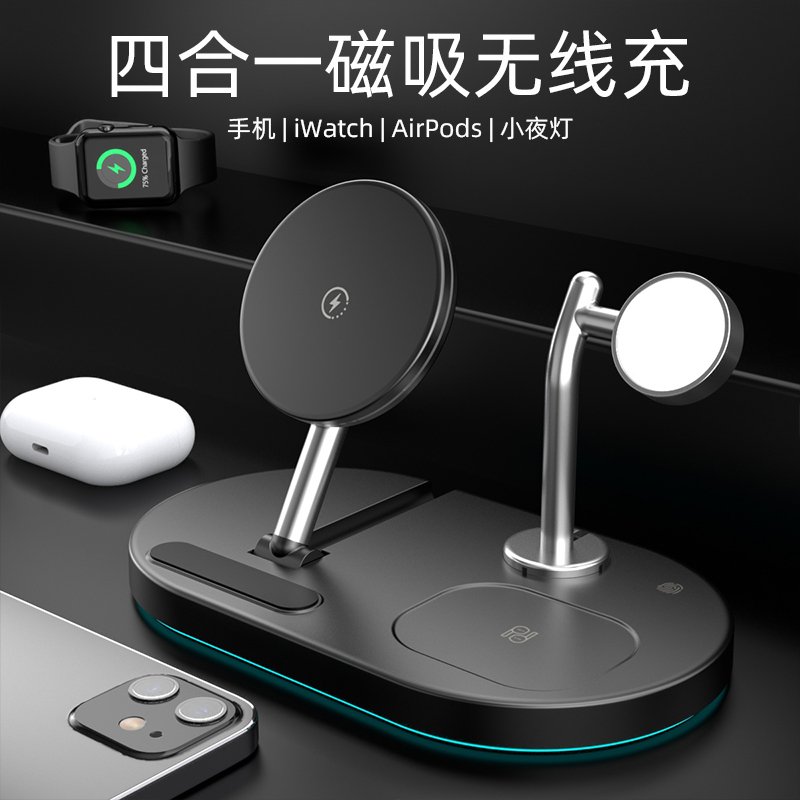
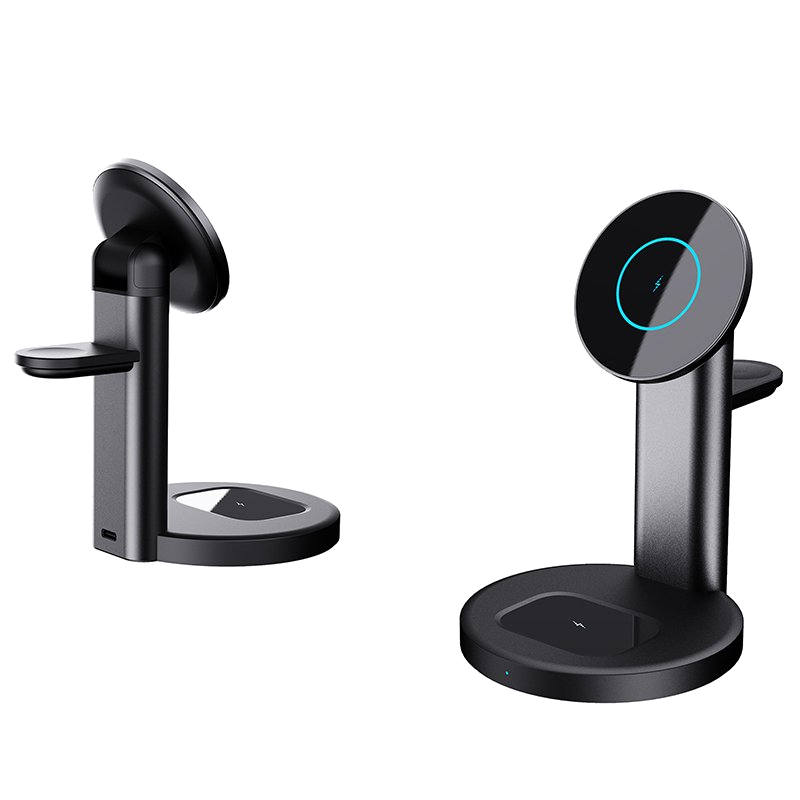
A: Three things to remember — trust Qi2 or Qi2.2 certification rather than a logo alone, treat 25W as today's phone ceiling, and clear compliance before experience for export and public deployment. The industry can be loud, but buying and using still come down to certification, power, and scenario. Categories like magnetic wireless chargers, 3-in-1 chargers, and multi-device chargers will only get more competitive, and more worth choosing carefully, in the second half of 2026.
This article is originally published by Shanwu. Please credit the source when reposting.
Copyright © 2026 Shanwu. All Rights Reserved.