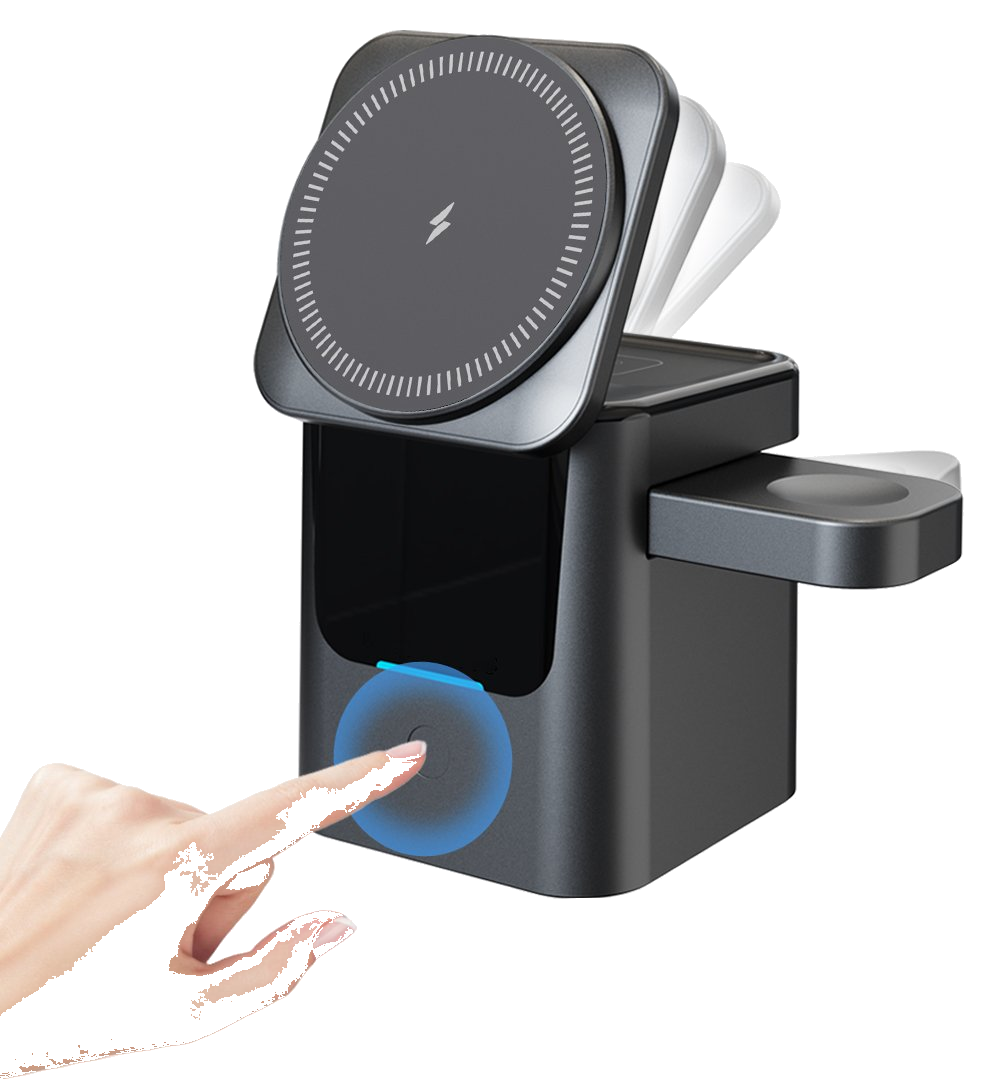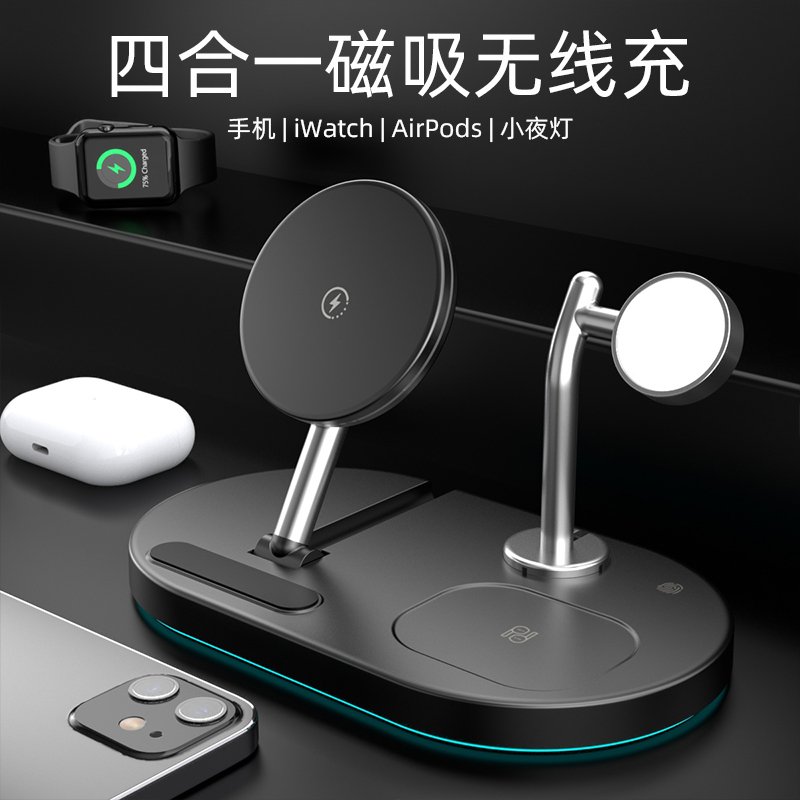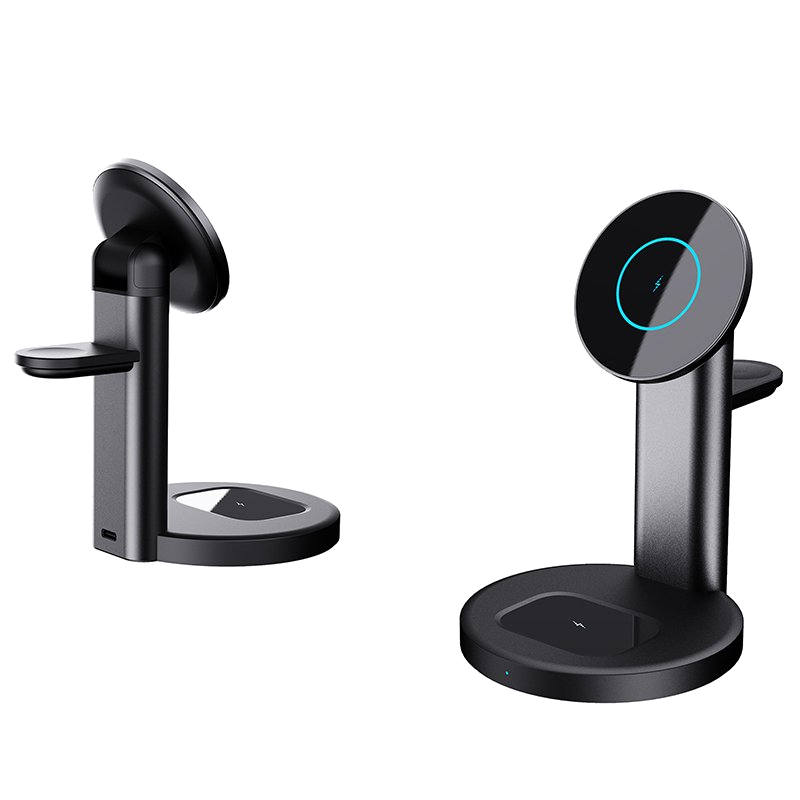
A friend recently asked me to look at a magnetic charger pad labeled Qi2 Certified from a brand I'd never heard of, priced far below the big names. When I hooked it to a power meter, an iPhone 15 only pulled a little over 7W—more than half short of the advertised 15W. A quick check on the WPC website showed no certification record for that product at all. The Qi2 claim was just two words printed on the box.
Here's the most common trap: Qi2 compatible and Qi2 certified are not the same thing. Products marked compatible usually never entered a WPC-authorized lab. Magnetic alignment can be off, foreign-object detection (FOD) may be effectively absent, and the advertised 15W often measures just 7 to 10W in practice. Only certified products were actually tested by a third party and earned the right to display the official logo.
So how do you spot a fake in 30 seconds? Step one: open the WPC certified-products database at wirelesspowerconsortium.com/products and search the model or brand name. Step two: check the certification type—Qi2 is the real deal with magnetic alignment and verified 15W, while plain Qi is the older standard with no magnets and slower speeds. Step three: verify the certification date. Qi2 only launched in 2023, so any Qi2 certified product dated earlier is a red flag.
Even the logo alone isn't foolproof. The Qi2 mark is restricted to products that passed the MPP (Magnetic Power Profile) certification, must be at least 5mm tall, and has to be molded or laser-engraved onto the product and packaging—not slapped on as a sticker. Older EPP products without magnets are explicitly forbidden from using the Qi2 logo, a rule many sellers don't even understand themselves.
A few more red flags are easy to spot: packaging says only compatible with no official logo; a PDF certificate is shown but no database entry exists; the model number on the certificate doesn't match the actual product; a claim of self-certified Qi2—which doesn't exist for MPP; or splashy 15W magnetic wireless wording that never actually mentions Qi2. A price that looks too good to be true usually is.
A fake certification costs you more than speed. Without third-party testing, foreign-object detection may fail to catch coins or keys, and the coil can run hot—uncertified pads commonly sit at 45 to 52°C, a chronic heat that adds 12% to 19% annual battery wear, versus the just-over-3% extra loss of a certified Qi2 unit that actively manages temperature. Under EU CE/RED rules, uncertified products can also face delisting.
If you want peace of mind when buying, here's my short checklist: insist on Qi2 certified with a real database entry; also look for USB-IF PD certification so wired and wireless thermal control work together; safety marks like UL, CE, and FCC should come with file numbers, not just printed text; GaN-based pads run cooler and last longer; and for public deployments in cafés or hotels, write WPC certification plus test reports directly into the acceptance criteria—don't wait until they're mounted on the wall to find out.
One line to remember: wattage can be exaggerated and logos can be printed, but if it isn't in the WPC database, don't trust it no matter how good it looks. Spending 30 seconds to verify beats buying something that charges slowly and quietly wears down your battery.
This article is originally published by Shanwu. Please credit the source when reposting.
Copyright © 2026 Shanwu. All Rights Reserved.