How much power does a charger actually draw when it is plugged into the wall but no phone is sitting on it? The EU just put a number on that question. On 24 November 2025, the European Commission published Ecodesign Regulation (EU) 2025/2052, which for the first time explicitly lists “wireless chargers and wireless charging pads” under the mandatory scope for external power supplies (EPS). The rule entered into force on 14 December 2025, but the real deadline is 14 December 2028 — after that, wireless chargers that miss the bar cannot be sold on the EU market.
What is the toughest requirement for wireless chargers? The standby (no-load) power must not exceed 0.5W — measured while the charger is plugged in but no device is placed on it. Ordinary external power supplies face an even tighter 0.3W limit. Put in perspective: 0.5W running all year is about 4.4 kWh per unit. That sounds trivial for one charger, but with billions of adapters permanently plugged in worldwide, the waste adds up to a small power plant. The EU is aiming to kill exactly this “vampire power.”
Why do manufacturers wince at getting standby below 0.5W? Legacy wireless chargers idle on an “always-on coil plus simple feedback,” and they easily blow past 0.5W. Squeezing under the line means reworking the power front end: adding a GaN (gallium nitride) stage, swapping in low-quiescent-current controller chips, and introducing “zero-watt idle” logic that nearly cuts the coil’s power when no device is detected. This is a systemic redesign, not something you fix by changing a resistor.
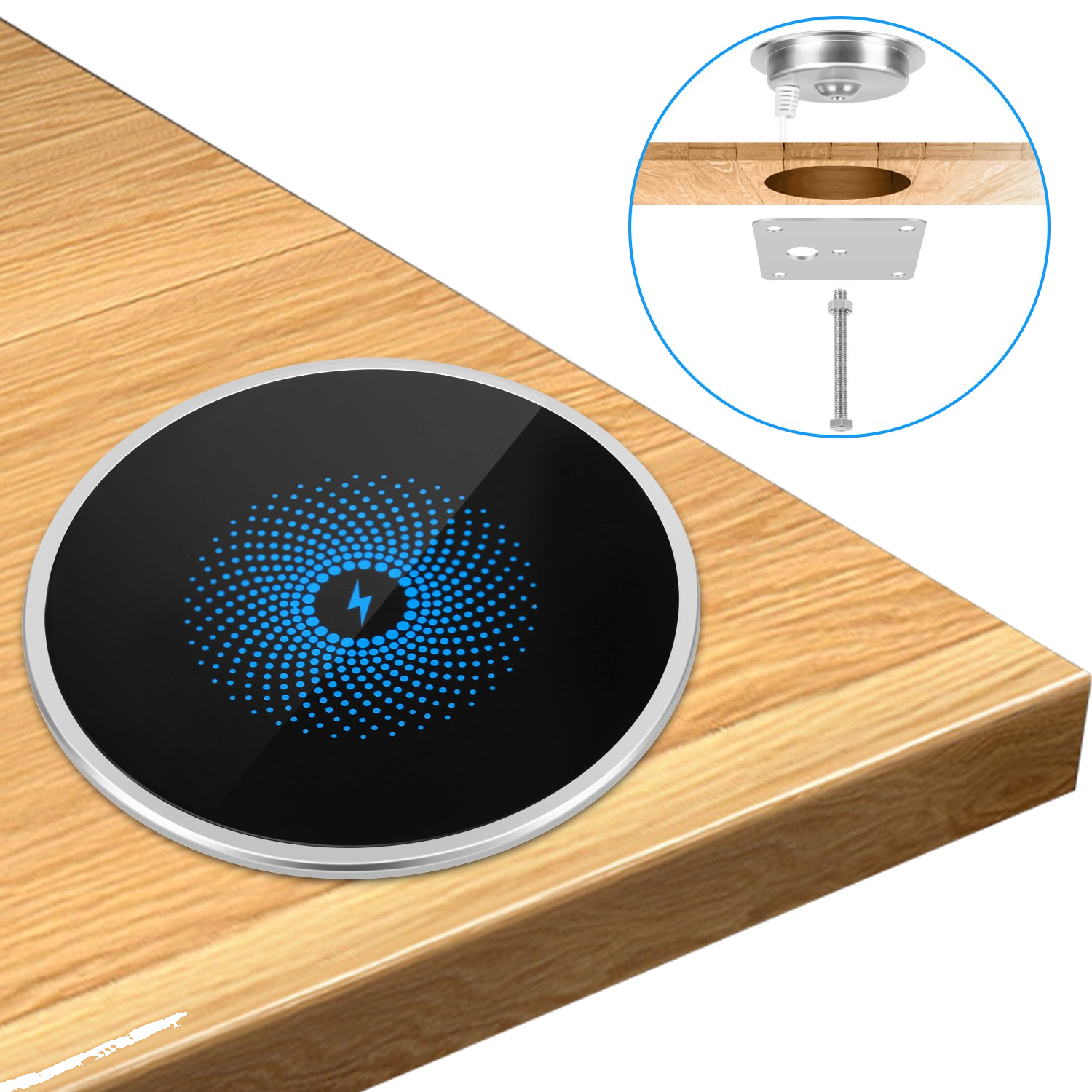
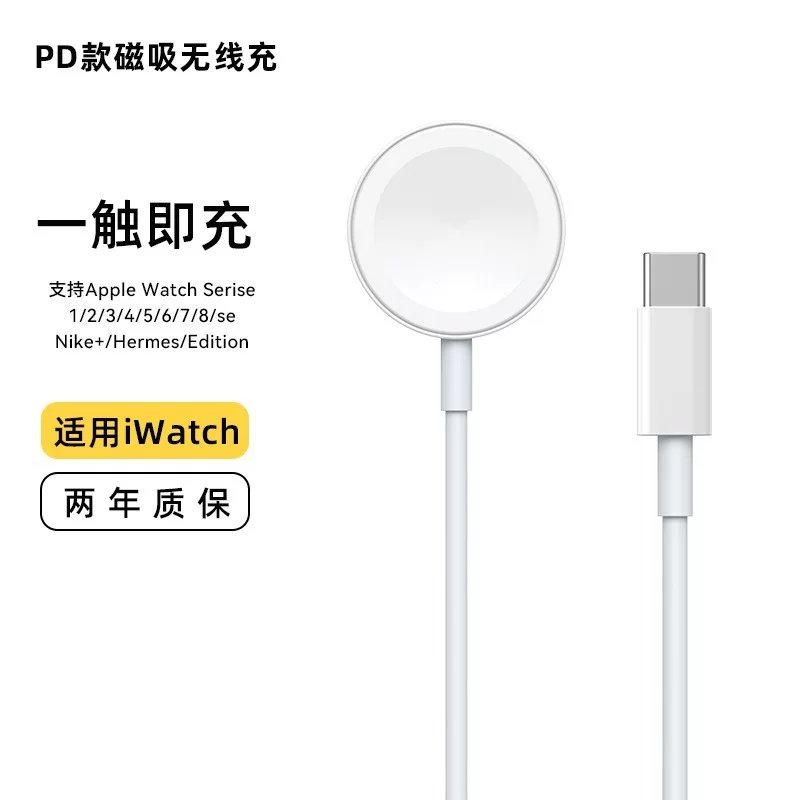
What other hard requirements are easy to miss? Two of them. First, interoperability: the output must include at least one USB-C or USB-PD port, hardwired cables are banned, and the “Common Charger” logo is mandatory. Second, a new minimum efficiency floor at 10% load — you can no longer look good only at full power. The hardest-hit segment is actually public wireless charging embedded in furniture: hotel nightstands, airport lounges, and café tabletops keep pads permanently powered, so their standby draw is watched most closely.
How much does this matter to Chinese wireless-charger makers? Quite a lot. Any product meant for the EU falls under this rule — magnetic wireless chargers, 3-in-1 wireless chargers, multi-device chargers, and magnetic power banks alike. It forces manufacturers to rework boards ahead of the 2028 deadline and turns “design and customization” from optional into mandatory: whoever first ships a compliant power stage — 0.5W standby with a USB-C port — avoids one more pitfall on the export track. For smaller factories, the threshold is both a cost and a chance to build cleaner products.
In the end, the EU’s cut targets “lazy design.” Wireless chargers used to compete on thinness and wattage, and nobody counted the standby trickle. Now the bill is on the table: a charger that stays powered yet draws almost nothing is the one worth building. For exporters and for makers of furniture-integrated public charging, the 2026 to 2028 window is the golden period to rework boards, certify, and grab the compliance lead — don’t wait until late 2028 to crowd the single-log bridge.
This article is originally published by Shanwu. Please credit the source when reposting.
Copyright © 2026 Shanwu. All Rights Reserved.