For nearly three years, the Android camp sat on the sidelines when it came to magnetic wireless charging. The Qi2 standard was finalized at the end of 2023, and Apple ran with the magnetic ecosystem almost single-handedly while Android flagships watched from a distance. The breakthrough came in 2026: Google's Pixel 10 became the first Android phone with native Qi2 magnetic alignment (MPP), and it went beyond passive compatibility—its Pixelsnap ecosystem snaps onto magnetic accessories from any Qi2-certified maker.
The numbers speak louder than press releases. WPC certification data shows Qi2 device approvals climbed from 12 new models in Q1 2024 to 87 in Q1 2026—more than a sixfold jump in two years. Android's share of those certifications rose from 8% in early 2024 to 34% by early 2026. Why the slow start? Samsung's Super Fast Charging and OPPO's VOOC are proprietary moats that differentiate each flagship; adopting Qi2 meant giving that up, not to mention the certification cost and the magnet ring every chassis had to accommodate.
For everyday users, the real change is simpler: the magnetic wireless power bank, magnetic car mount, and desktop charging pad you bought finally have an Android phone to click onto. For years the accessory market actually moved faster than the phones—magnetic mounts and power banks were already on shelves, but with no mainstream Android device supporting them natively, buyers were left holding the bag. Now that the phone side has caught up, accessories and handsets finally make a pair.
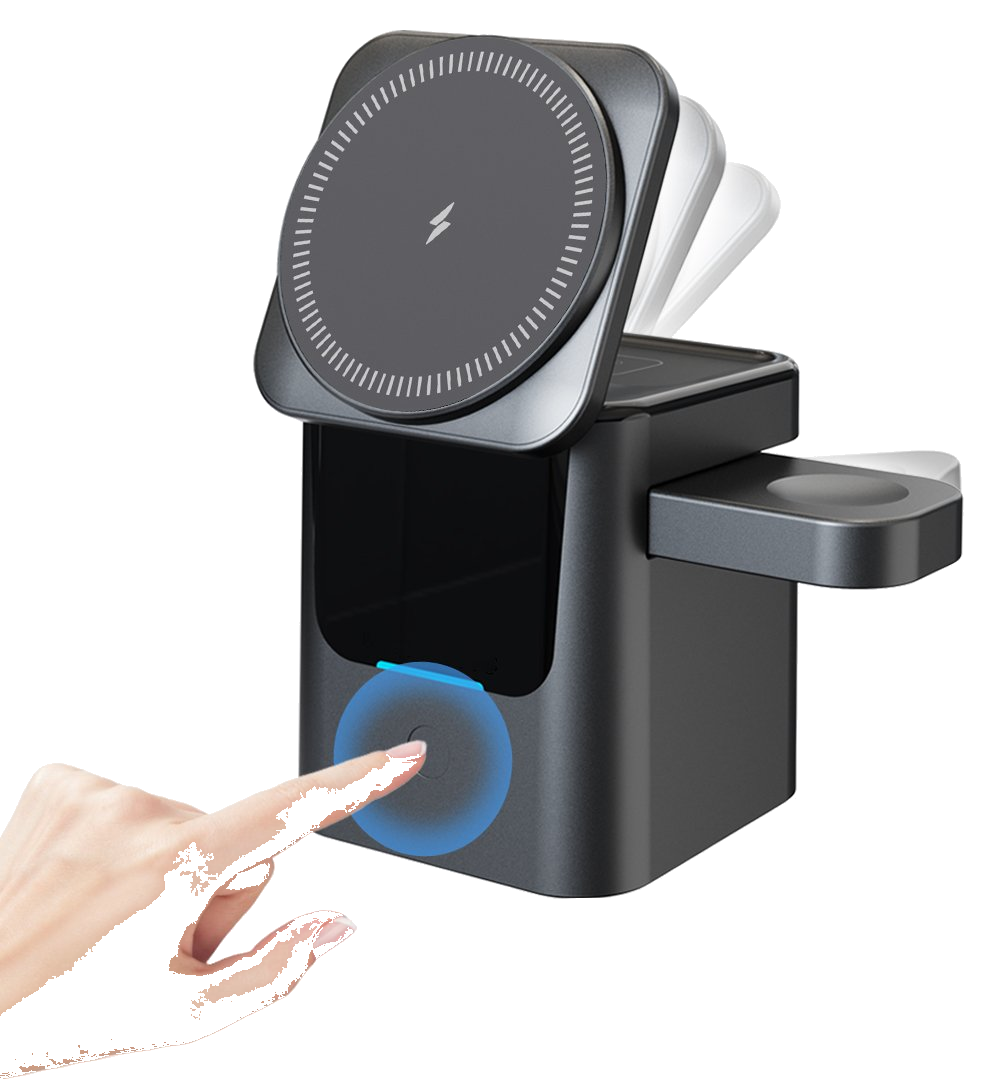
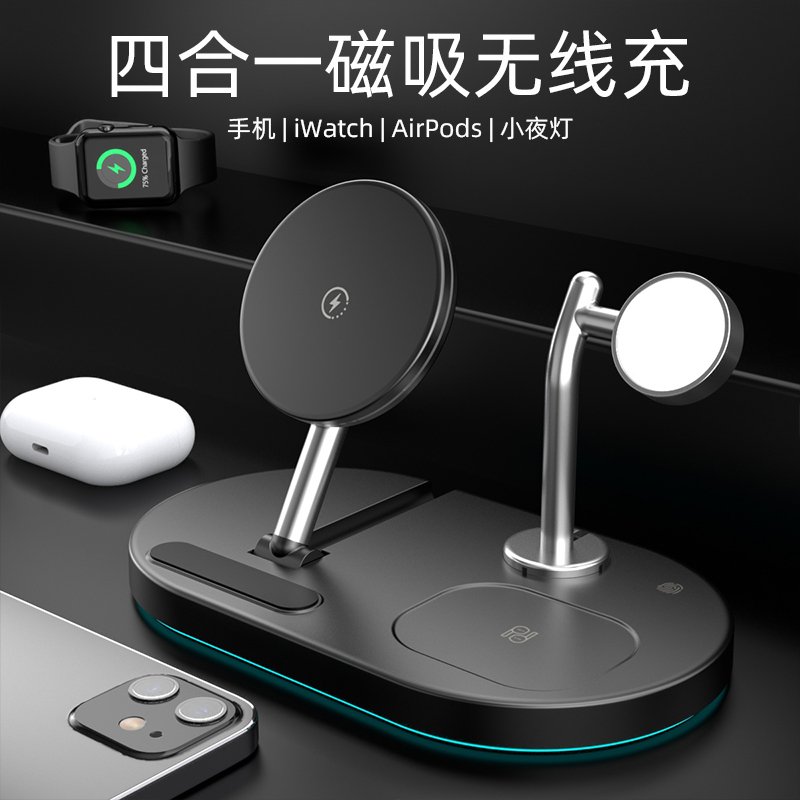
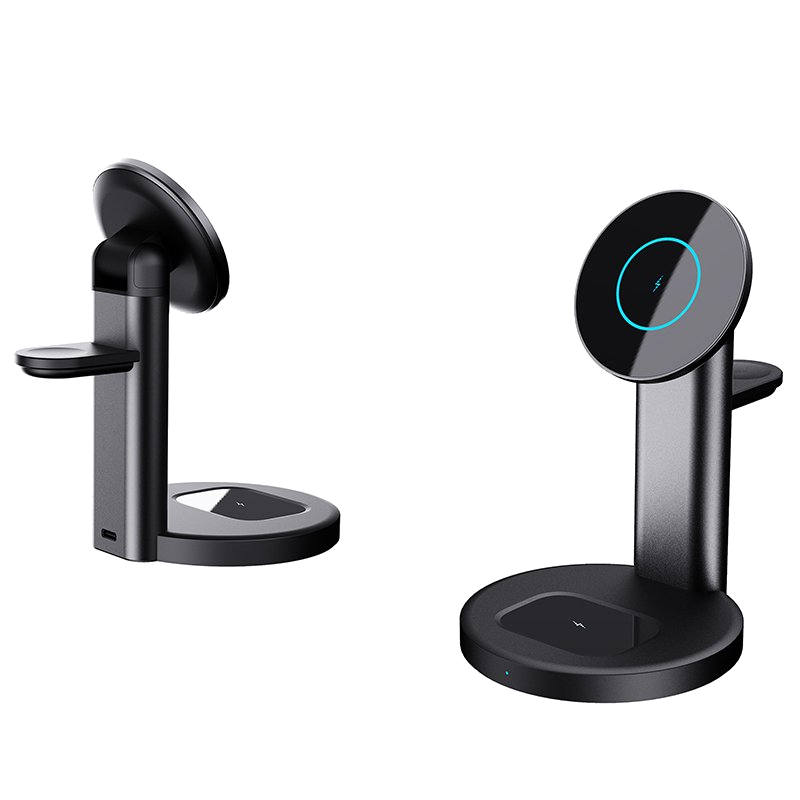
Cross-brand compatibility is the actual prize here. Qi2 is an open standard, so a certified magnetic wireless charger from any brand aligns and charges any certified phone—you are not locked into one vendor's pricing. That ring of magnets, the MPP, is Apple's MagSafe concept donated to the WPC, which is why a Qi2 charger feels nearly identical to a MagSafe puck. And only because the magnets lock the coils into place can the 25W tier be pushed safely; misalign too far and you lose power and gain heat. Following that same logic, products like the 3-in-1 wireless charger and multi-device wireless charging—one pad feeding phone, watch, and earbuds—suddenly have a far wider install base.
Looking ahead, Samsung, Xiaomi, OPPO, and OnePlus are all racing toward Qi2, and the WPC itself has projected Qi2-certified device shipments past 340 million by the end of 2026—roughly 89% year over year. For wireless charger makers, the magnetic line has shifted from a nice-to-have accessory to a flagship expectation, and design customization, production, and sales all have to keep pace. The day you set your phone on a café table and it simply snaps into charge is the day magnetic wireless charging truly goes mainstream.
This article is originally published by Shanwu. Please credit the source when reposting.
Copyright © 2026 Shanwu. All Rights Reserved.