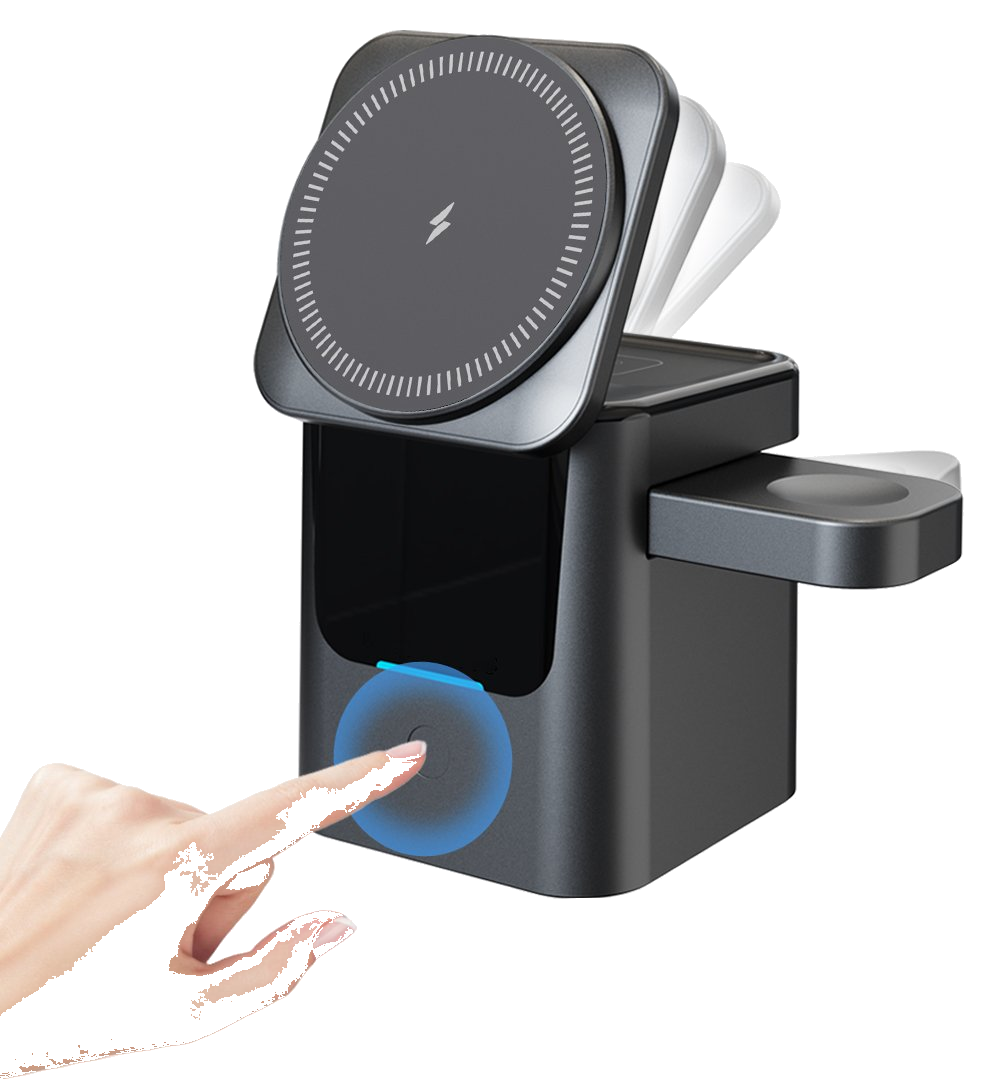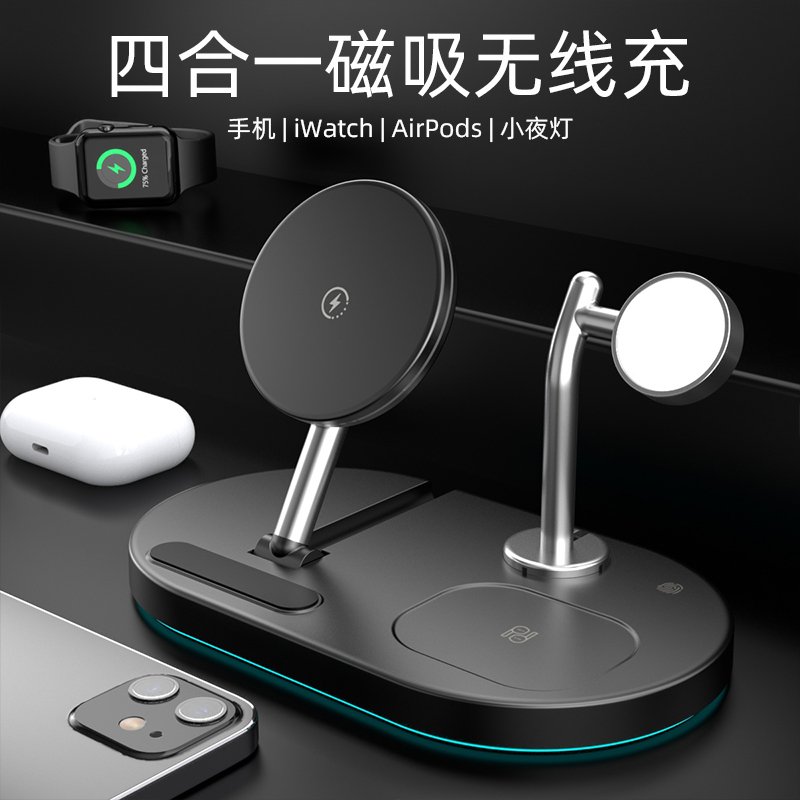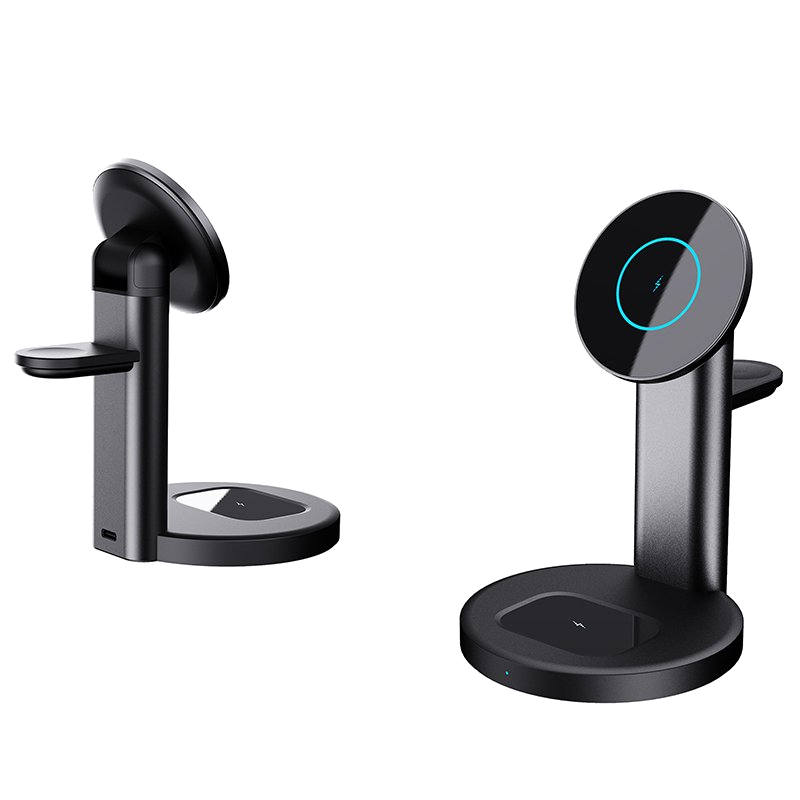
Before IFA 2026 had even wrapped up, Motorola dropped a wireless charging pad that looks deceptively ordinary. On September 6, several tech outlets confirmed the Moto Snap wireless charger, which delivers up to 25W magnetic charging under the Qi2.2 standard. The pad has magnets built in, so a phone snaps into place and starts charging as soon as it gets close — no more nudging it around like on an old-style pad.
What's interesting is the dual-protocol approach. Moto Snap runs 25W over the public Qi2.2 standard, giving every compatible device a consistent speed, while keeping Motorola's own private protocol for up to 30W on Moto phones. Pairing a public baseline with a private top-end speed is nothing new in Android, but when a phone maker turns it into a €39 pad, the signal changes: handset brands are starting to treat magnetic wireless charging as a standard accessory category.
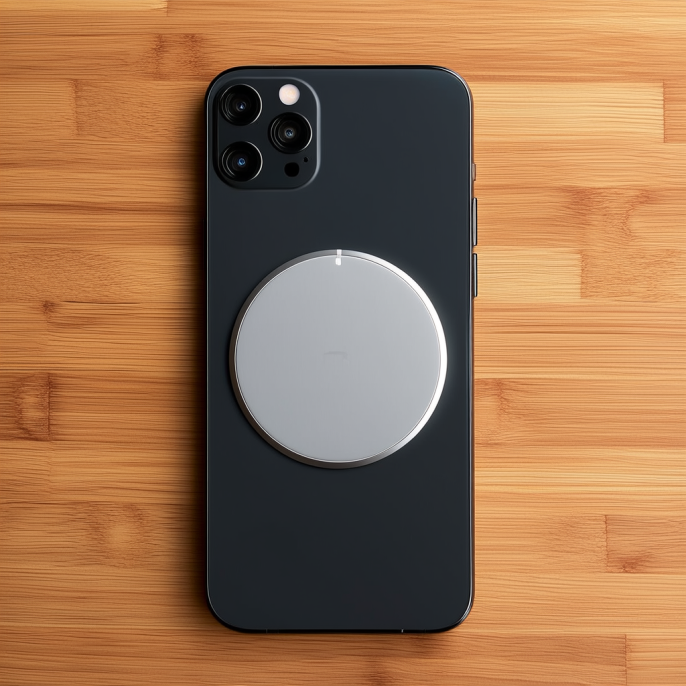
The €39 price works out to roughly 304 RMB, and it ships with a 1.5-meter braided USB-C cable plus a low-power standby mode. That positioning is deliberate — far cheaper than a first-party magnetic pad, yet it carries certification and a brand name that no no-name charger can match. Motorola says it will land in Europe, the Middle East, Latin America and parts of Asia-Pacific over the coming weeks, starting overseas while the China version and local compliance timeline wait their turn.
Zoom out to the whole of 2026 and the move carries more weight. Early in the year the iPhone 17 family made Qi2.2 25W magnetic charging a factory standard; mid-year the Pixel 10 pulled Android into the same magnetic language with Pixelsnap; and Samsung's S26 closed the alignment gap with certified magnetic cases. A magnetic ecosystem once exclusive to Apple is turning into an open standard spanning iOS and Android. Motorola stepping in now says it plainly: magnetic wireless charging is no longer just the accessory makers' business — it's an entry point handset brands want for themselves.
For factories doing design and customization, the shift is a concrete order signal. As more phone brands pull magnetic pads into their own accessory lines, upstream coils, magnetic steel, thermal structures and certification schemes all get pulled along for the ride. A pad that used to sell only to accessory makers now has to meet a handset brand's taste and certification bar — looks, colors, packaging and even firmware logic follow the brand, blurring the line between design, customization, production and sales.
Whether the €39 Moto Snap actually sells, of course, depends on how it stacks up against the pile of 25W magnetic pads already out there. But the trend it signals is clear: in 2026 magnetic wireless charging has walked from gadget curiosity to the doorstep of standard phone accessory. What's worth watching next is whether these brands bundle the pad with the phone, and when the China version clears compliance and lifts that software-capped 15W limit. More players in the game is, for anyone actually building products and supply chains, a good thing.
This article is originally published by Shanwu. Please credit the source when reposting.
Copyright © 2026 Shanwu. All Rights Reserved.