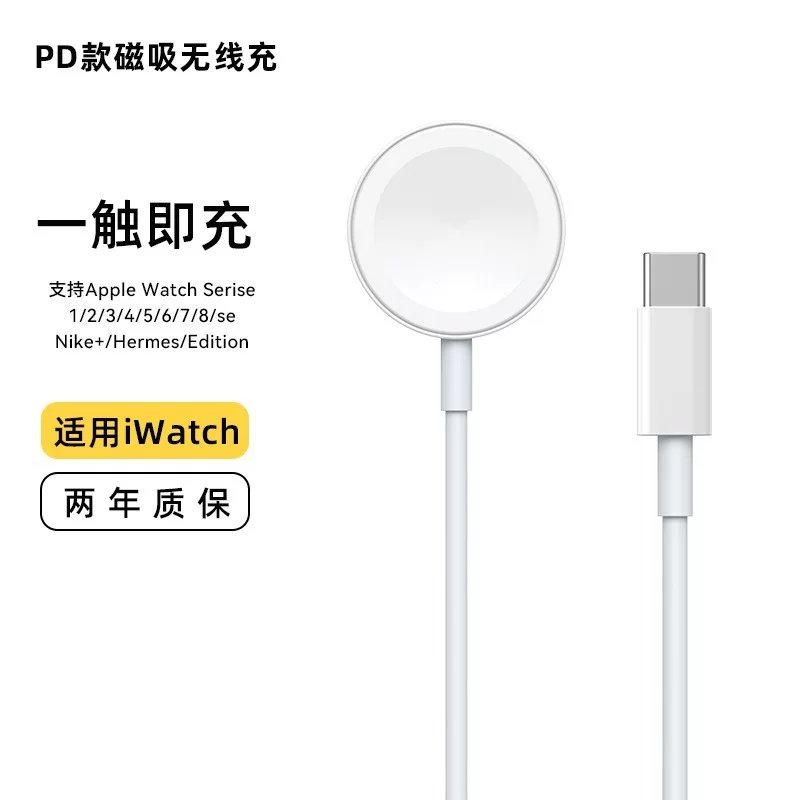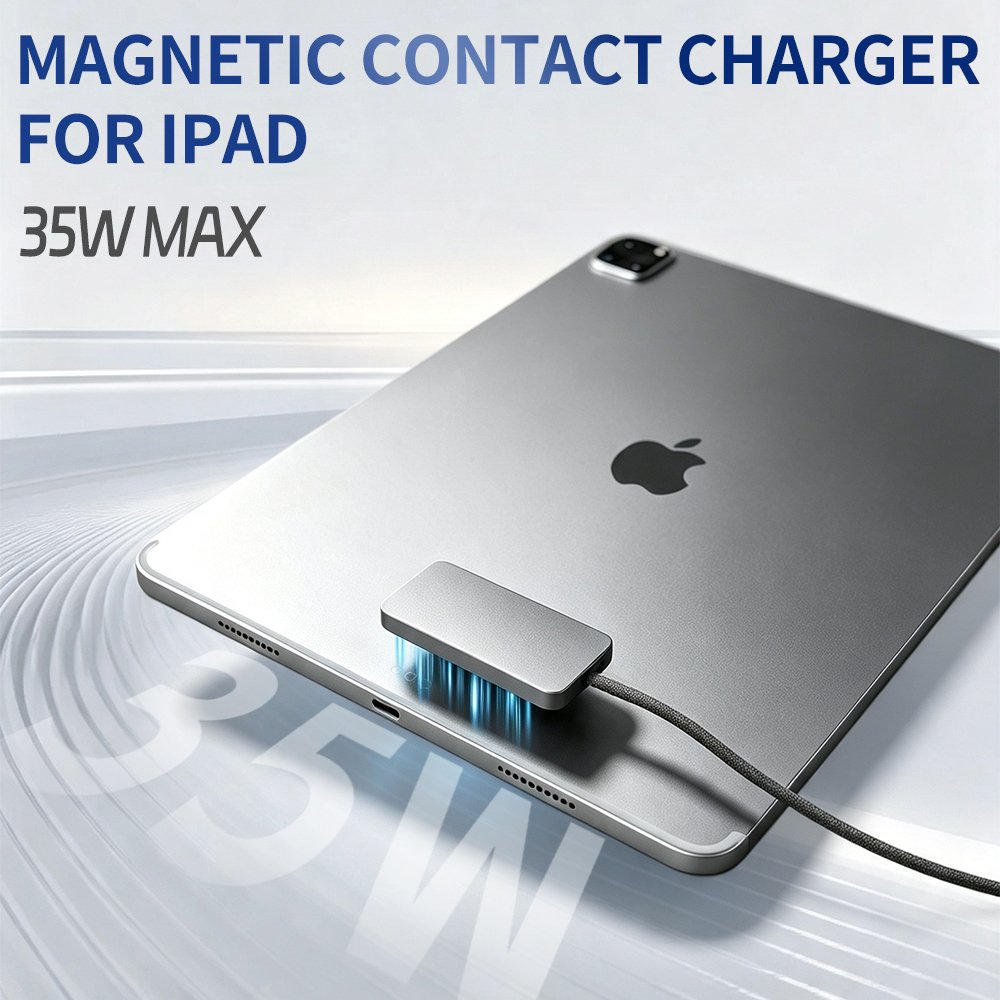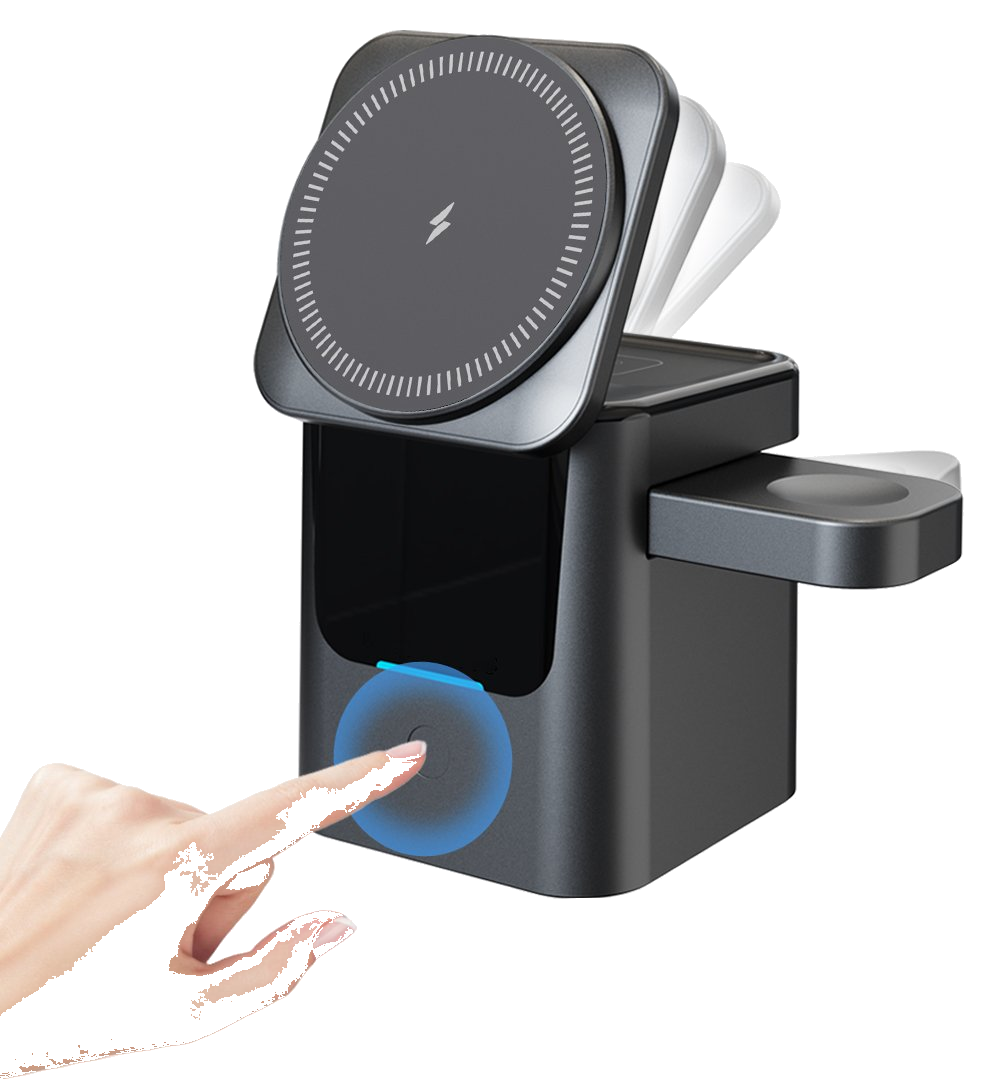
Most of us have dropped a phone onto the bathroom counter or the kitchen island to charge, where splashes on the pad are routine. But what a "waterproof wireless charger" actually guards against is something many buyers never pin down. Bottom line first: "waterproof" is almost always a marketing word; the number that actually matters is the IP code on the housing, defined by the IEC 60529 standard, which tells you precisely whether it resists splashes or full immersion.
Reading an IP code is simple once you know the structure. The first digit covers solids (6 means fully dust-tight); the second covers liquids. For wet-area use, the ratings worth knowing are IPX4 (splash from any direction — the baseline for bathroom accessories), IP65 (dust-tight plus low-pressure jets, so it survives rain and rinse-down), and IP67 (dust-tight plus immersion up to 1 metre for 30 minutes). A key catch: IPX7 was only tested for immersion, not dust; if you need both spray and soak protection, look for a dual mark like "IP65/IP68" rather than a single number.
Splashes and submersion are very different beasts. Water flicked off dishes or steam beside the shower counts as splashing, and IPX4 handles it; but letting the pad fall into the sink or sit in a puddle on a wet counter is immersion, where only IP67/IP68 is safe. The trap: plenty of pads labelled IP67 cleared only a lightweight third-party check without UL or IEC 62133 battery-safety backing, so they still carry risk near lithium cells. Don't let a single IP digit be your only evidence.
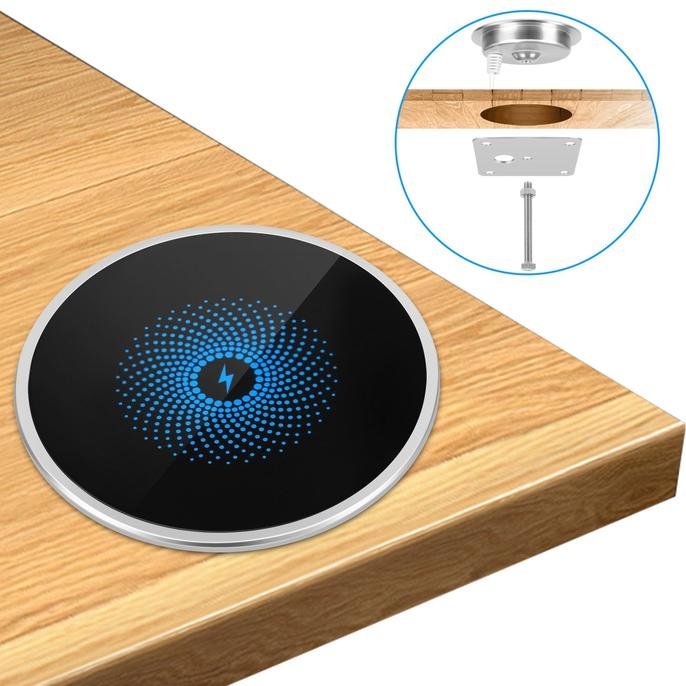
In real use, where you place it matters more than the rating. Keep the charger at least 30–60 cm from the sink rim; wall- or under-cabinet mounts beat leaving it flat in the splash zone; and for islands or breakfast bars, some makers now sell IP-rated in-counter wireless charging modules that sit flush in the surface — far safer than an exposed pad. Near water, position beats rating every time.
The real safety floor is GFCI (ground-fault) protection. Any outlet near a bathroom or kitchen sink must sit on a GFCI-protected circuit, which senses the tiny current imbalance between live and neutral and trips in milliseconds — your first line of defence against shock. That matters more than debating IP levels. Having an electrician fit a GFCI outlet by the sink during renovation is more useful than slapping a waterproof box on afterwards.
For chargers already in use, cheap fixes help. Slip a 1–3 mm thin silicone mat under an exposed pad: it deflects small spills and barely dents charging efficiency, because Qi and Qi2 tolerate thin non-metallic barriers well. A small lip on an under-cabinet mount blocks accidental splashes. Every three months, inspect the USB inlet for white or green corrosion; if you see it, stop using the unit.
The sneakier enemy is condensation. After a hot shower the whole room fogs up, and moisture beading on the pad is far more insidious than a direct splash — left alone it rusts the connectors. Keep the pad out of the shower spray, keep the room ventilated, or drop a silica desiccant pack nearby. Thick metal or magnetic cases block the coil and create hot spots, so near water a thin non-metallic case is the smarter call.
For buying and rollout, the practical rule is: households start at IPX4, step up to IP65 near water, and choose IP67-grade modules for in-counter installs; for cafés, hotels and other public-space wireless charging, verify the IP grade and third-party safety marks in bulk and write "dust/water resistance plus leakage protection" into acceptance checks. In the end a waterproof wireless charger is not meant to be dunked — it is meant to add one more layer of calm in kitchens and bathrooms. Pick the right grade, place it right, and you get more peace of mind than chasing the highest IP number on the box.
This article is originally published by Shanwu. Please credit the source when reposting.
Copyright © 2026 Shanwu. All Rights Reserved.