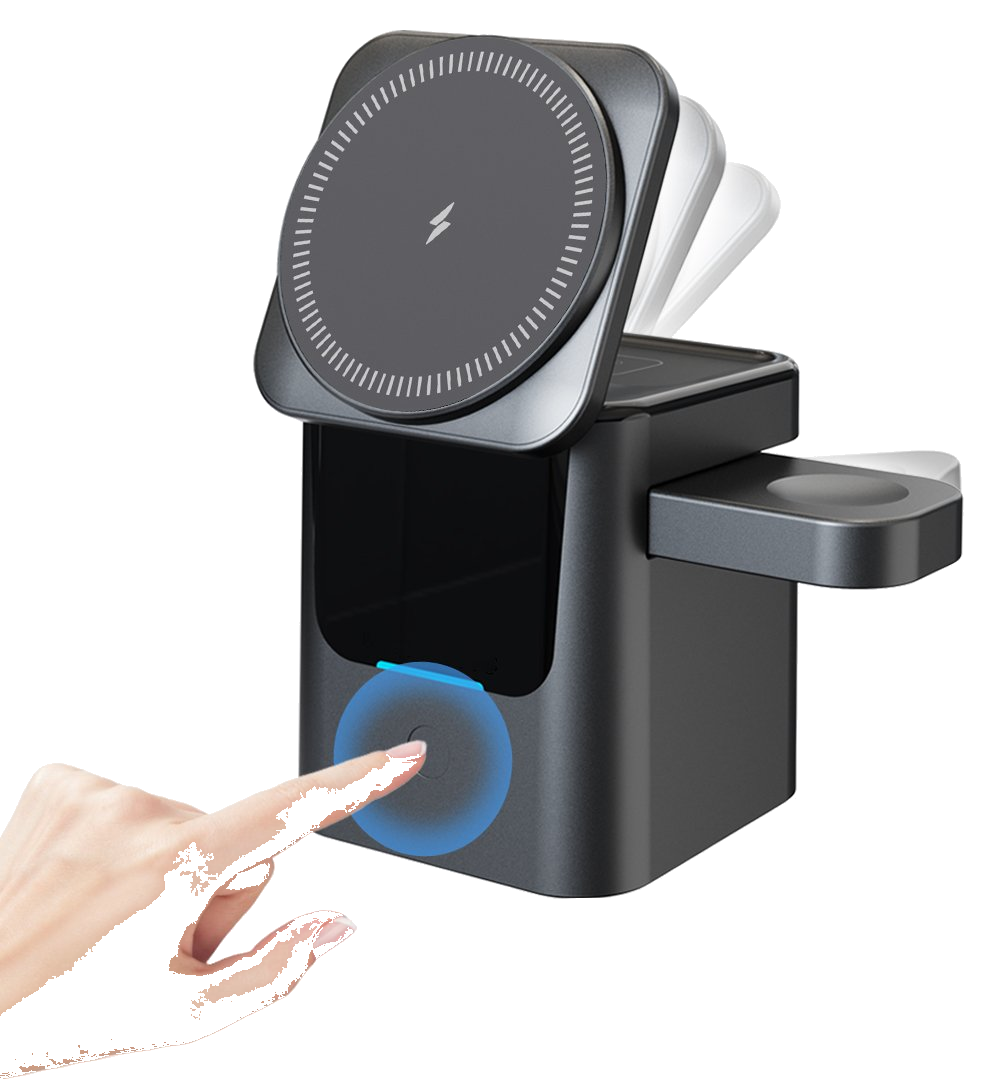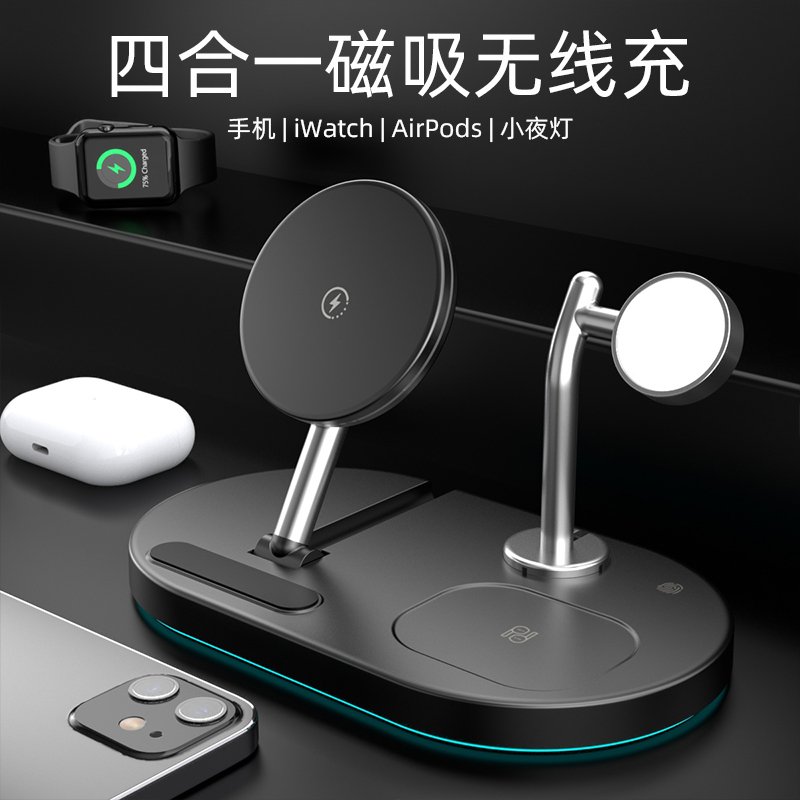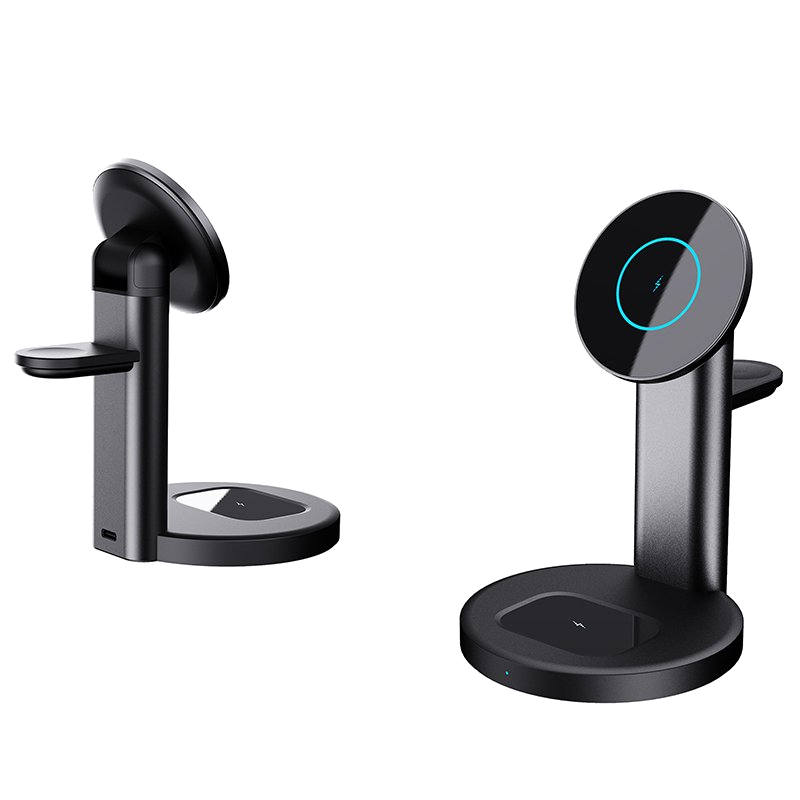
I've gone through four or five magnetic wireless power banks, and the counterintuitive part is this: how long they last rarely comes down to price. It's about how you use and store them. The same 10,000mAh unit can bulge within a year for one person yet still perform well after three years of daily commuting for another. The gap is almost always in the care habits.
Heat is basically the number-one enemy of the battery. One summer I topped up my phone on a sun-baked bench and the power bank's back got too hot to hold comfortably. That's not a one-off — several manufacturers' tests note you should avoid using magnetic wireless charging outdoors in hot weather. A car is worse: left on the dashboard or seat, rising temperature triggers protective throttling and, over time, clearly accelerates battery aging. If the unit feels unusually hot, just disconnect and let it cool before using again.
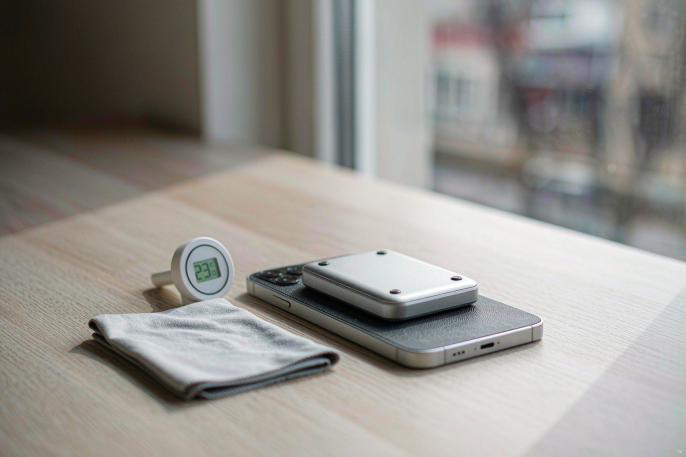
For charging habits, shallow cycles beat 'drain then recharge.' Lithium cells hate deep discharge, so topping up when one or two indicator lights remain is far kinder than waiting for a full empty. My own routine is keeping it in the commute bag and plugging in for a quick wired top-up at 30–40%. I only fill it fully before a long trip, not daily. Manuals also suggest storing it at around 50% if unused for a while, and giving it a charge every two or three months so the cells don't fall asleep.
Storage and cleaning get overlooked. A magnetic power bank dislikes moisture, sunlight, and strong magnetic strips — don't sandwich access cards, bank cards, or a passport between the phone and the bank, since the strong field can damage the stripe or chip. I keep mine in a cool drawer and never run wireless charging inside a closed bag, because wireless charging runs hot and a sealed space traps heat, which hurts longevity. Wipe the magnetic pad and USB-C port with a dry soft cloth or brush; never use a wet wipe or alcohol directly, or liquid gets inside.
A small trick is alternating wired fast charging with magnetic wireless. Wireless magnetic charging wins on convenience but loses more energy to heat than a cable. At home or at a desk I reach for the cable, and save the magnet for commuting or a café top-up. That balances wear across the coil, port, and cells, stretching the whole unit's life. Basically, don't let one module run at full load forever.
Safety and certification are the floor. Look for mandatory marks like 3C/CCC and compatibility labels like Qi2; don't chase sub-100-yuan 'huge capacity' deals. A magnetic bank packs a magnet ring, coil, protection chips, and cells, and the cost is real — too cheap means corners cut on materials and safety. Some newer units use solid-state or semi-solid cells that tolerate heat better and lower internal-short risk, adding peace of mind. Also watch the 'eco usable life' mark, often five years; retire it past that instead of pushing your luck.
Short version: to keep a magnetic wireless power bank alive for years, remember three things — don't run it outdoors in hot weather, don't wait for a full drain to recharge, and store it at about 50% when idle. Add a dry-cloth wipe of the pad and alternate cable with magnet, and after two or three years the battery will clearly outlast one that was simply abused. It's a consumable, but treated well it stays with you longer.
This article is originally published by Shanwu. Please credit the source when reposting.
Copyright © 2026 Shanwu. All Rights Reserved.