In late August 2026, Wi-Charge co-founder Ori Mor posted a blunt message on LinkedIn: 'Wi-Charge, the end.' The company had spent 14 years on a path very different from the magnetic pads and 3-in-1 docks we use daily—it wanted power to travel through the air, not across a few millimeters of charging pad.
Wi-Charge used infrared. A transmitter beamed energy as directed infrared light, and a receiver module on the device turned that light back into electricity. Its target was low-power gear like smart-home sensors and electronic shelf labels—things that shouldn't need a cable at all. That's a completely different logic from Qi2 and magnetic chargers, where your phone only charges when it sits on the pad.
The technology clearly worked, yet the company still died. Ori Mor laid out two reasons. First, the classic chicken-and-egg problem: far-field power needs transmitters and receivers to spread together. Device makers waited for transmitters to become common before adding receivers; users waited for devices before installing transmitters. Second is demand intensity—he called it the vitamin-versus-painkiller gap. Swapping batteries or plugging a cable is annoying, but rarely annoying enough that most people rush to adopt a whole new power system.
It wasn't a total flop on shipping. Wi-Charge said it had genuinely commercialized room-scale power, with products in 39 US states. Its OEM kits—sold to brands for integration—hit around a 90% purchase rate at one point, and even direct online sales cleared 20%. Plenty of early adopters showed up; there just weren't enough of them to sustain a full ecosystem.
Does this mean Ossia and Energous are in trouble too? Don't lump them together. Ossia is still at demos and joint R&D; Energous has already deployed thousands of points across US retail stores for enterprise power. Wi-Charge's fall shows the consumer phone-charging path is the hardest—it's stuck in a wait-for-everyone loop. But enterprise IoT and cold-chain scenarios, where no downtime and no easy cable matter, are cashing in first. The direction is fine; the timing and segment have to be right.
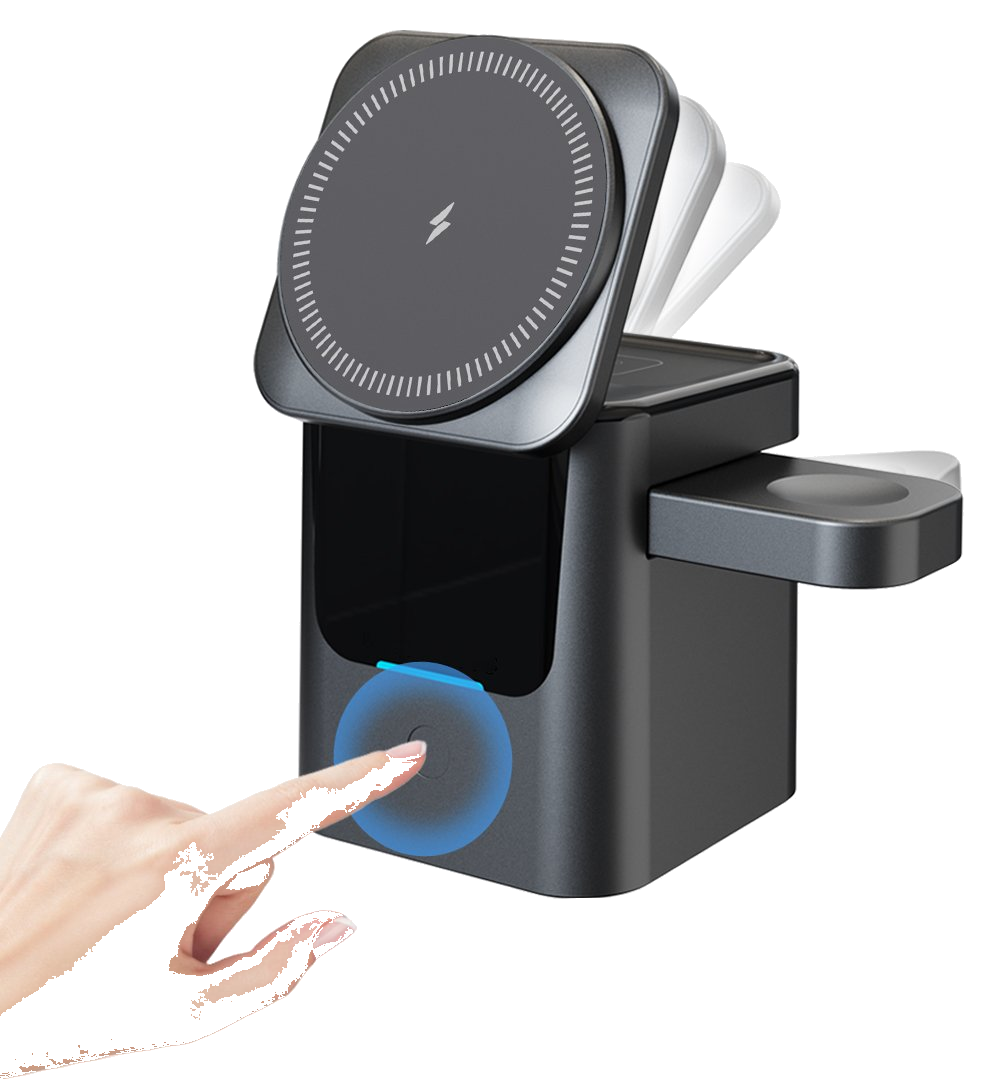
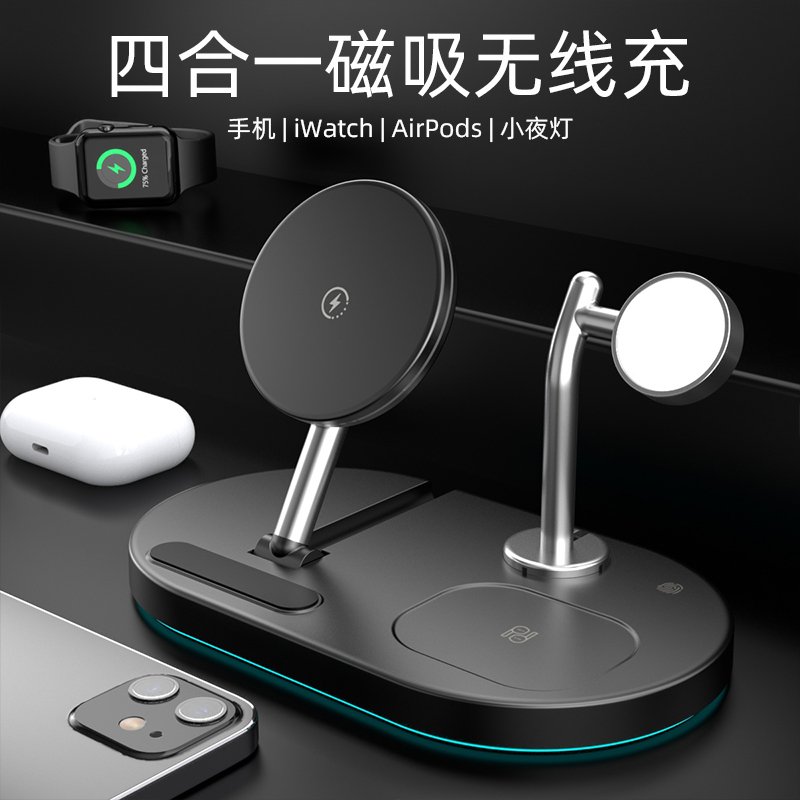
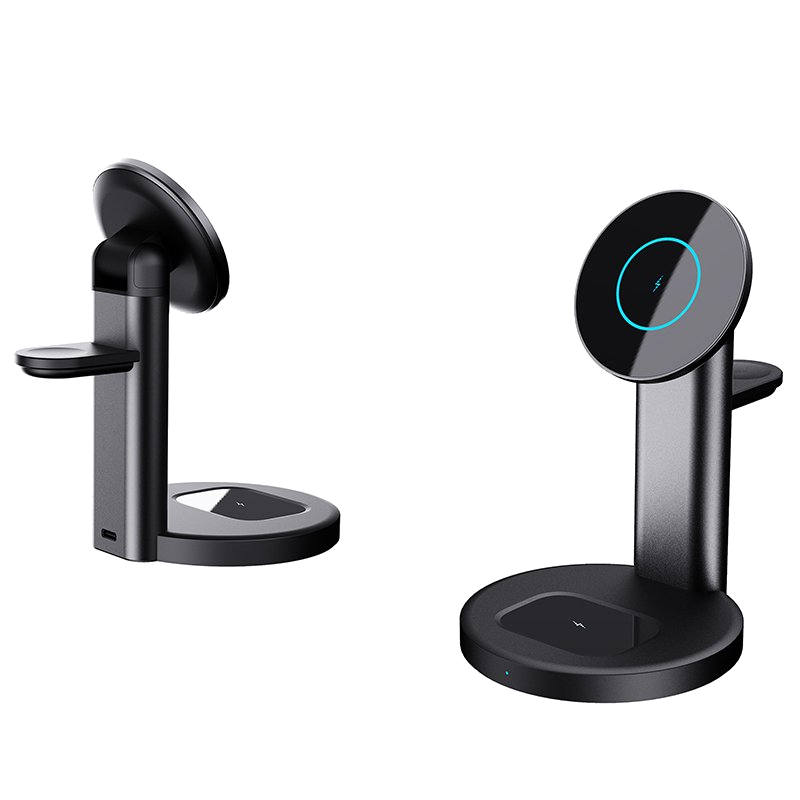
For wireless charger makers, two takeaways. First, don't confuse cool with needed: multi-device and public-space chargers win because they save real hassle, not because they feel futuristic. Second, if you want to build battery-free power, decide early who installs the transmitter and who adds the receiver—don't carry the whole ecosystem alone. Custom design, manufacturing, and sales all matter, but only after you've found a segment willing to pay first.
Wi-Charge's ending isn't a death sentence for over-the-air power—it's a reminder for anyone trying to reinvent how we get electricity: a working technology doesn't guarantee a working business. For the makers still shipping magnetic chargers, 3-in-1 docks, and public-space pads, getting today's pad right so a phone just charges when you drop it may be more practical than chasing a power source in the sky.
This article is originally published by Shanwu. Please credit the source when reposting.
Copyright © 2026 Shanwu. All Rights Reserved.