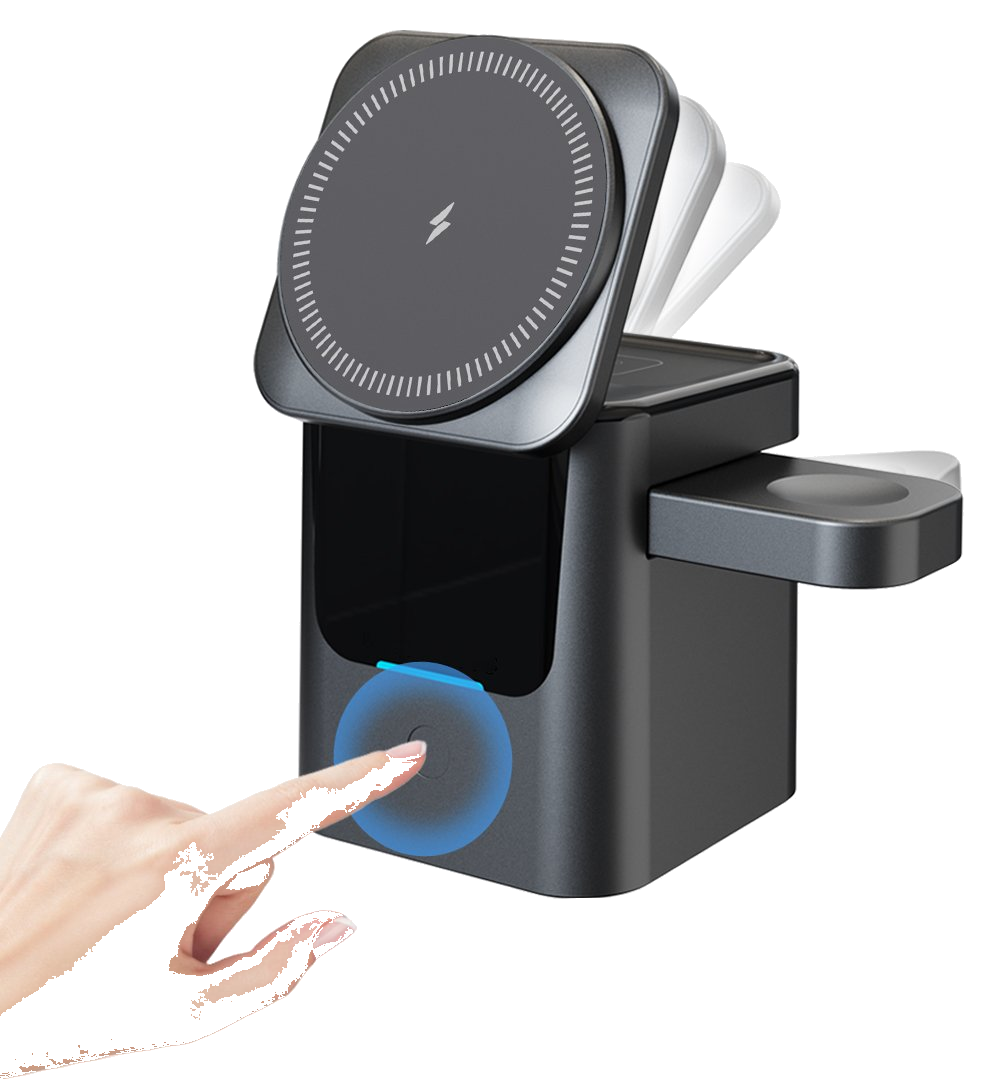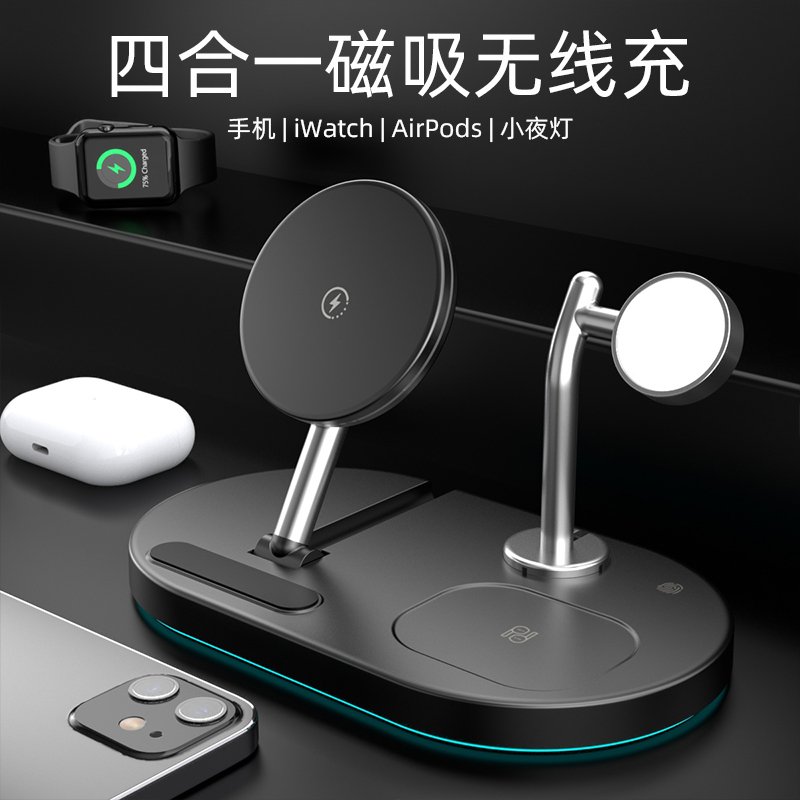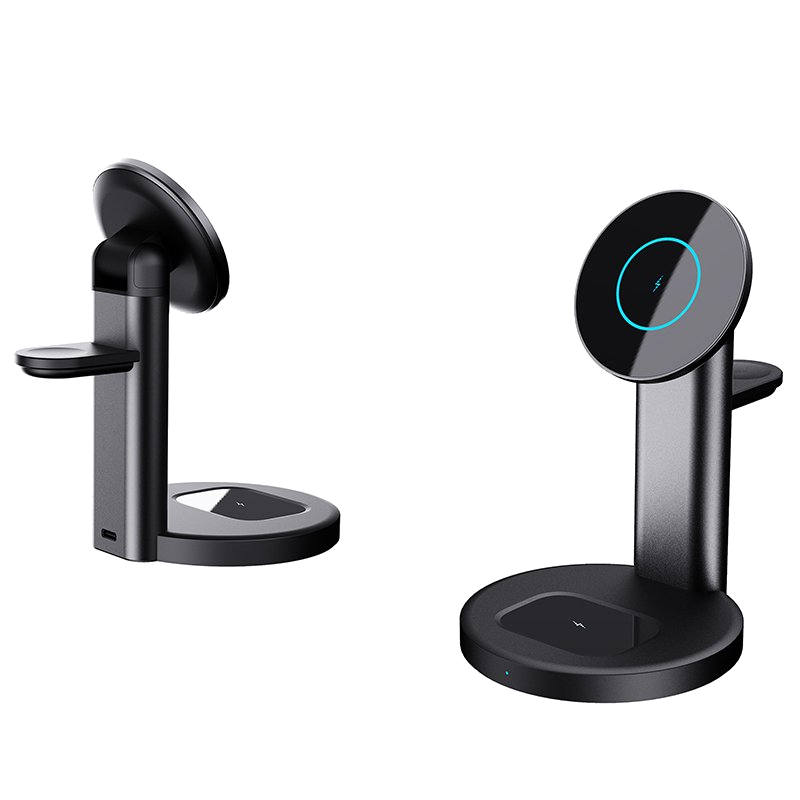
For years, solid-state batteries lived in the headlines about electric cars and flagship phones. In August 2026 they showed up somewhere more ordinary: a magnetic wireless power bank you can slip into a pocket. On August 10, Taiwan's enerpad put its UFO GLA-10000 solid-state magnetic power bank on sale, certified to the Qi2.2 25W standard. The product is small, but the signal is not: the wireless-charging arms race is shifting from coils and protocols toward the battery cell itself.
Q: What actually makes a solid-state cell better than the power banks we use now?
A: Most power banks today use lithium-ion cells with a liquid electrolyte—prone to catching fire if punctured, sensitive to heat, and approaching a ceiling on how much energy they can hold. A solid-state cell swaps that liquid for a solid or gel electrolyte, which broadly means far less fire risk, more capacity in the same volume, and steadier performance in the cold. For a magnetic wireless power bank that sits against your phone, rides in a pocket, and warms up in summer, safety and capacity are the two most practical selling points.
Q: So does buying one finally put range anxiety behind us?
A: Not so fast. The density gain is real, but solid-state cells are still expensive to make and produced at small scale, so the price will sit well above a comparable ordinary pack. And what it fixes is the cell, not wireless speed: the GLA-10000's wireless side is still Qi2.2's 25W, with only the wired port reaching 35W PD. In other words, it makes the brick lighter, safer and longer-lasting, but it does not pull wireless charging up to wired speeds.
Q: Why did magnetic power banks get solid-state first, instead of phones?
A: Because phones demand cells that are tiny and can charge at high rates, and solid-state is not ready to drop into a flagship yet. A power bank is an external battery with room to spare, and it benefits most from the safety-and-capacity upside—especially magnetic models that press against a phone and often ride in a pocket while charging. The bet is that users will pay more for a steadier, lighter on-the-go battery, and the magnetic ecosystem (iPhone 16/17, Pixel 10, Motorola edge 70) is exactly what is creating that demand.
Q: What does this mean for companies building magnetic wireless chargers?
A: It adds a new axis to the usual design, customization, production and sales playbook. Until now the race was about coil efficiency, cooling and certification speed; now there is a cell-chemistry dimension on top. For ODMs and brands, whoever first mates a mature solid-state cell with a Qi2.2 module into a reliable mass-produced product gains a head start in the next round of on-the-go wireless charging. But a caveat: solid-state is no free pass—FOD, thermal control and certification remain non-negotiable.
Bottom line: a solid-state cell landing in a magnetic power bank is not a stunt. It marks the shift of wireless charging from "who charges fastest" to "who is steadier, lighter and safer." Over the next year or two, watch the cell, not just the wattage, and you will likely see early which magnetic wireless charger ends up winning.
This article is originally published by Shanwu. Please credit the source when reposting.
Copyright © 2026 Shanwu. All Rights Reserved.