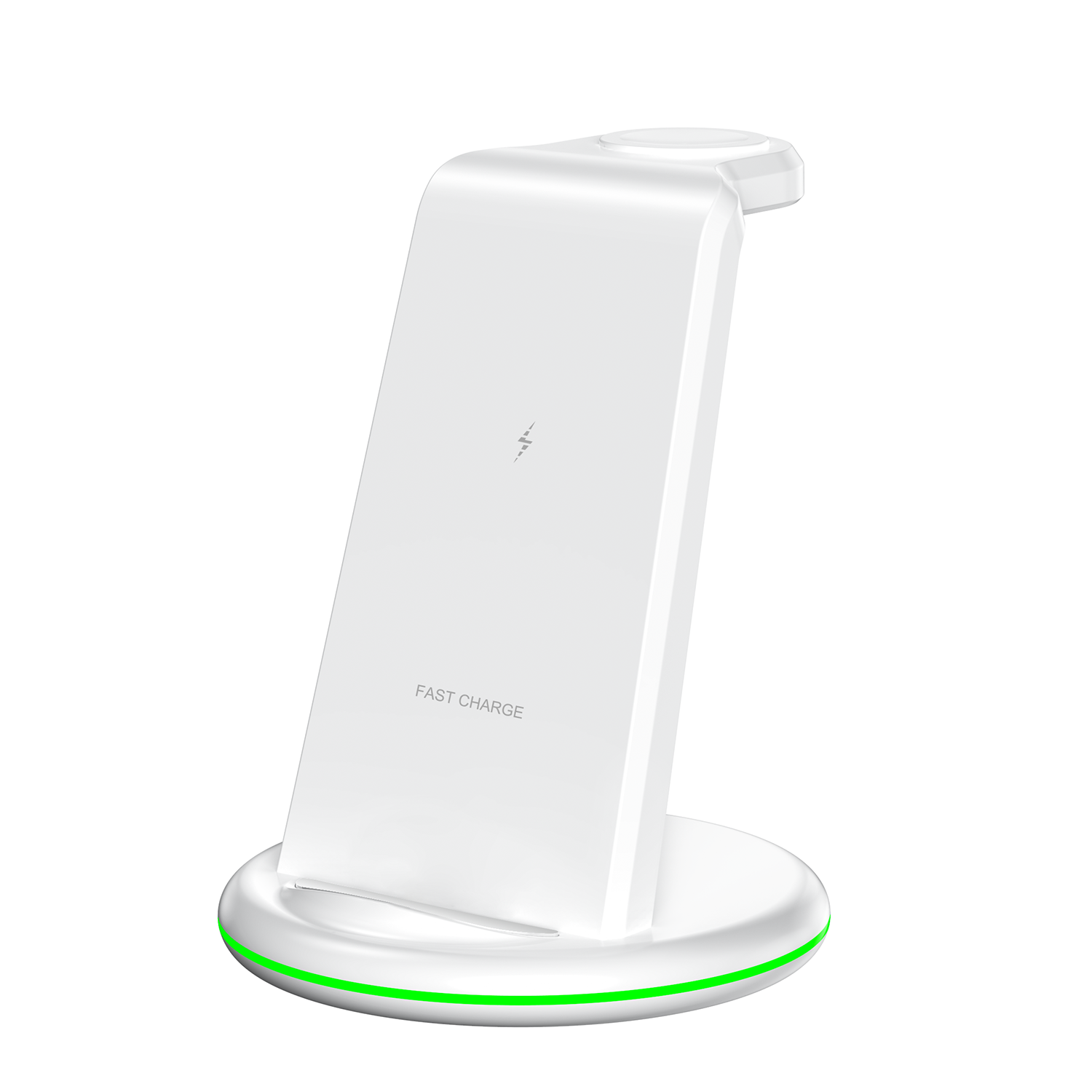
Let me start with something a lot of people have run into: you drop your phone on the bedside wireless charger at night, pick it up the next morning, and the battery is barely at 70%. The charger is not broken - you simply set the phone down off-center in the dark. This drove me crazy for months, so I ended up using a flat charging pad and an upright stand for three months each to figure out how these two designs really differ.
Wireless charging is, by its physics, extremely sensitive to placement. A Shenzhen-based wireless charging OEM published a set of jig-test numbers: with 15W output and the coils perfectly aligned, input power was 18.5W for roughly 81% efficiency; shift the phone just 5mm sideways and input jumps to 23.8W while efficiency falls to 63%. Nearly 9W of that gap turns straight into heat, pushing coil temperature from 35 degrees Celsius to over 50. Other industry tests set the bar even lower - a 3mm offset can already cost you 20% of the efficiency.
That is exactly where flat pads fall apart. During the day you can watch what you are doing, but bedside charging happens with your eyes half closed. A product-insight piece on a major overseas e-commerce platform described a night-shift nurse who kept placing her phone off-center in the dark: mornings at 70% battery, and a few nights when it did not charge at all. My experience was almost identical - and the most annoying part is having to pick the phone up just to check the time at 3 a.m., which breaks the charge yet again.
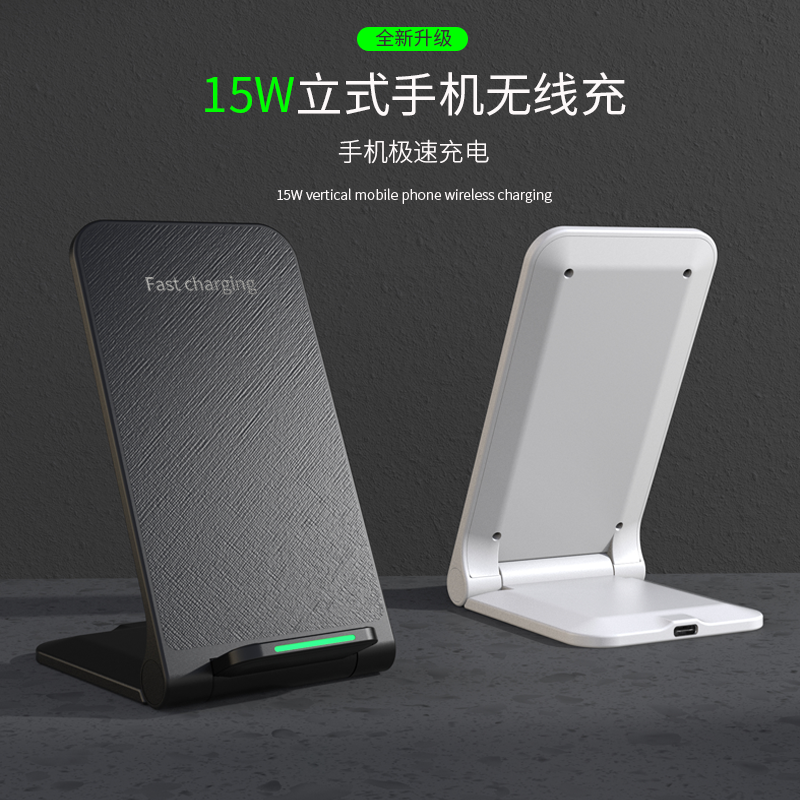
An upright stand solves this physically: slide the phone into the cradle or snap it onto the magnetic face, and the position is fixed - there is simply no way to misplace it. The side benefits add up too. The screen stays upright, so a glance is enough for notifications; iPhone users can rotate the phone to landscape and trigger StandBy, turning it into a bedside clock all night - something a flat pad cannot do, since StandBy only activates in an upright landscape position. And on video calls, a phone mounted at eye level beats most laptop webcams by a clear margin, which was an unexpected bonus.
If the budget allows, I would go straight for a magnetic model. The magnet ring locks coil offset within 1mm, and industry tests show transfer efficiency holding steady at 85-90%; on a non-magnetic charger, a 2mm manual misplacement already drags efficiency down to around 70%. That is the core reason magnetic wireless charging has spread from Apple to the Android camp over the past two years - alignment is a job better left to magnets than to humans.
Heat is the other divider people tend to overlook. Once the phone battery hits 40 degrees Celsius the charging power gets throttled, and at 45 degrees some models pause charging altogether. A stand naturally elevates the phone with airflow behind it, so it cools better than a pad pressed flat against the desk. One published test at 32-degree room temperature showed an actively cooled base keeping the charger surface at 35 degrees while sustaining 19W, whereas a passive model climbed to 43 degrees and dropped to 12W. In a hot room without air conditioning, that gap shows up directly in your charging time.
Flat pads are not useless, though. They take up little space, sit low, and travel well in a bag. If your nightstand is shallow - a stand usually needs 10 to 15 centimeters of depth - a pad may be the only workable option. They are cheaper too, with basic models running about a third less than comparable stands. If you are the type who puts the phone down and never touches it until morning, a decent flat pad with magnetic alignment is genuinely all you need.
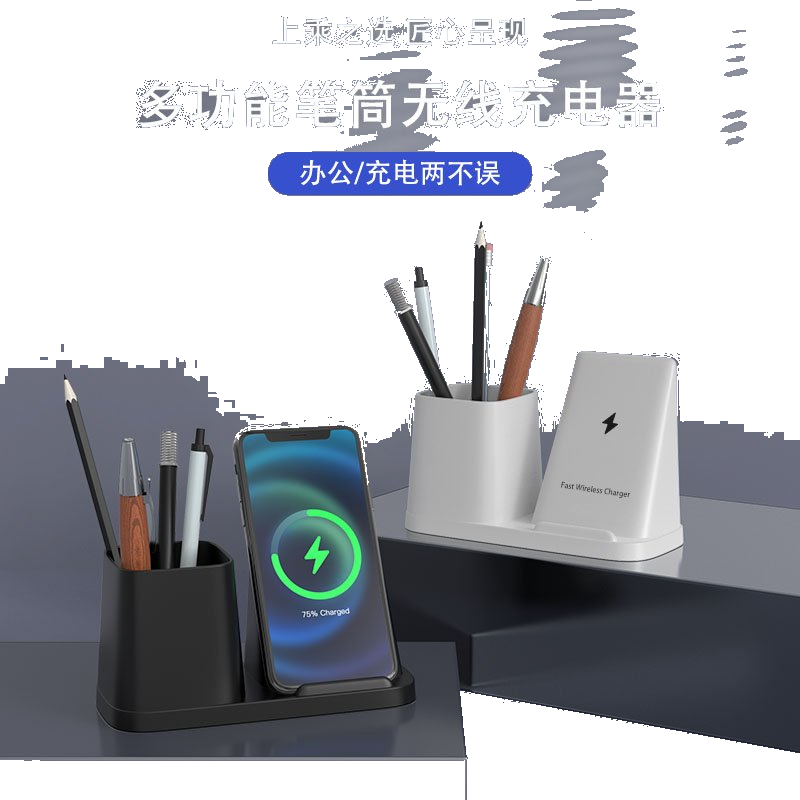
My takeaway is simple: for desks and nightstands, go upright first, ideally magnetic; pick a flat pad if you prioritize a minimal footprint or travel a lot. If you charge a phone, a watch and earbuds every day, look at 3-in-1 wireless chargers and similar multi-device stations - one base, three fewer cables on the desk. And a note for procurement and project buyers: wireless charging installations for hotels, cafes and other home and public spaces, along with custom stand angles and magnetic modules, are well within the reach of mature domestic supply chains now. When you evaluate vendors, put the alignment method and thermal design on the acceptance checklist - they tell you far more than the wattage number on the box.
This article is originally published by Shanwu. Please credit the source when reposting.
Copyright © 2026 Shanwu. All Rights Reserved.