Two weeks ago at a gadget store I counted the power bank shelf: where wired bricks used to line up uniformly, a whole row now wears 'magnetic' labels. The certification data I checked back home was even more striking - by April 2026, 148 magnetic wireless power banks from 79 brands had passed Qi2.2 certification. The first product of this kind was only certified in July 2025. In under a year the category went from a concept to a shelf staple.
Lay out the timeline and it gets clearer. In July 2025 the world's first Qi2.2 power bank was certified, bringing 25W magnetic wireless charging into mobile top-ups. By September that year, total Qi2.2 certified products passed 100 across seven categories including multi-function chargers, car mounts, power banks and desktop stands. By April 2026, power banks alone reached 148. The pace is wilder still: 84 new certifications landed in the first four months of 2026 - more than the entire second half of 2025. That is not a slow climb; that is a floored accelerator.
Why the sudden explosion? Two things, in my view. First, the standard matured: WPC released the 25W version of Qi2 in July 2025, raising peak power 67% over the original 15W, with magnetic alignment (MPP) as standard. Second, compliance got real: the IEC published IEC 63563 in February 2025, the EU adopted it as EN IEC 63563, mandatory in the EU market from 2026. To clear customs and sell in Europe, Qi2 is basically the only road. 'Magnetic' stopped being a marketing phrase and became an entry ticket.
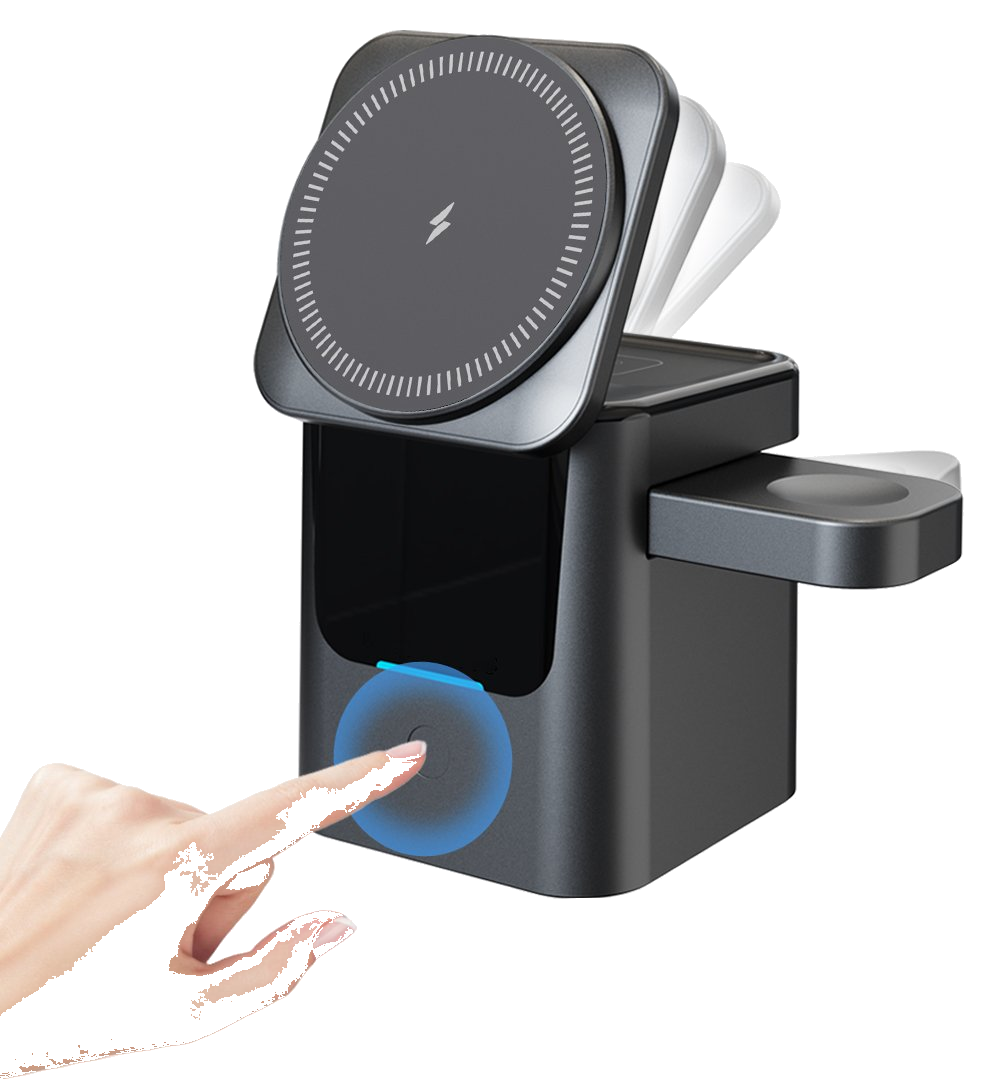
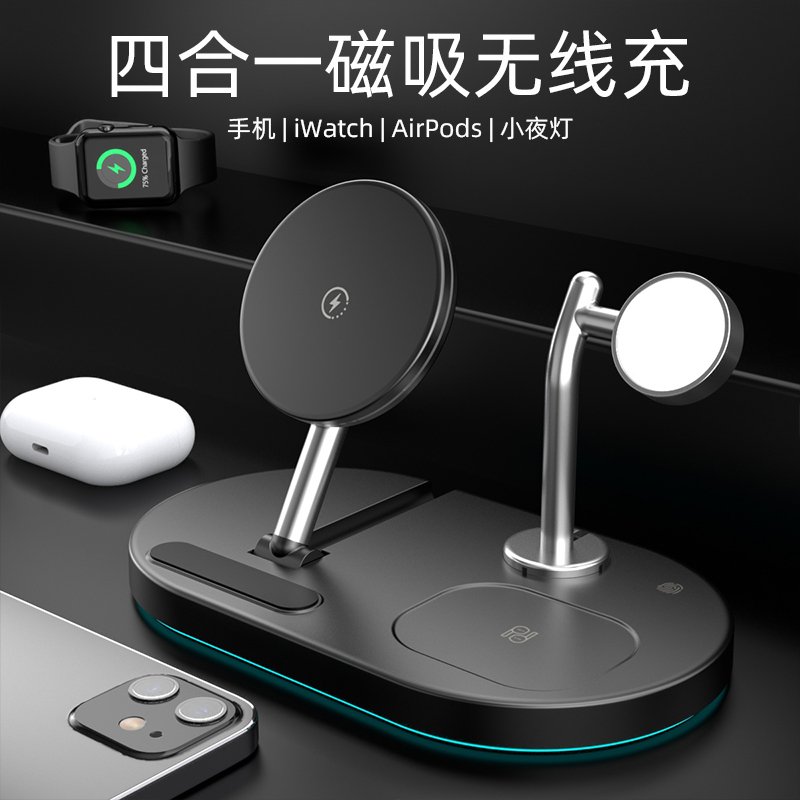
What makes the category attractive to ordinary users? Most directly, no cable: a magnetic wireless power bank snaps onto the back of the phone, works one-handed, and removes a tangle of cables from your bag. 25W finally makes top-up speed usable - a clear step above those 5W wireless chargers of years past. And because it follows the Qi2 certification system, it lines up with phones, watches and earbuds, naturally a multi-device wireless charging approach. The units I tried hold on firmly with MFM-grade magnet rings, and thermal control is far steadier than the 15W-era heating pads.
The brand landscape is interesting too. UGREEN launched the first Qi2.2 power bank and set the tone; 79 brands followed in a rush. Very much a Chinese-supply-chain story: once specs and compliance thresholds are clear, factories that keep design, customization, manufacturing and sales in their own hands can sprint from prototype to mass production. Those 148 models are as much a manufacturing story as a product story.
Looking ahead, a 50W high-power track is already written into the WPC draft standard, targeting commercial use around 2028, and a dedicated WPC session in Beijing this June even ran joint tests on 50W prototypes. For power banks that means even faster top-ups later. A bucket of cold water, though: not everything labeled 'magnetic' on the shelf has passed Qi2 certification. The 148 are certified products; plenty of lookalikes with weak rings and wild thermals are also out there. Buy by the Qi2 logo, not by the word 'magnetic'.
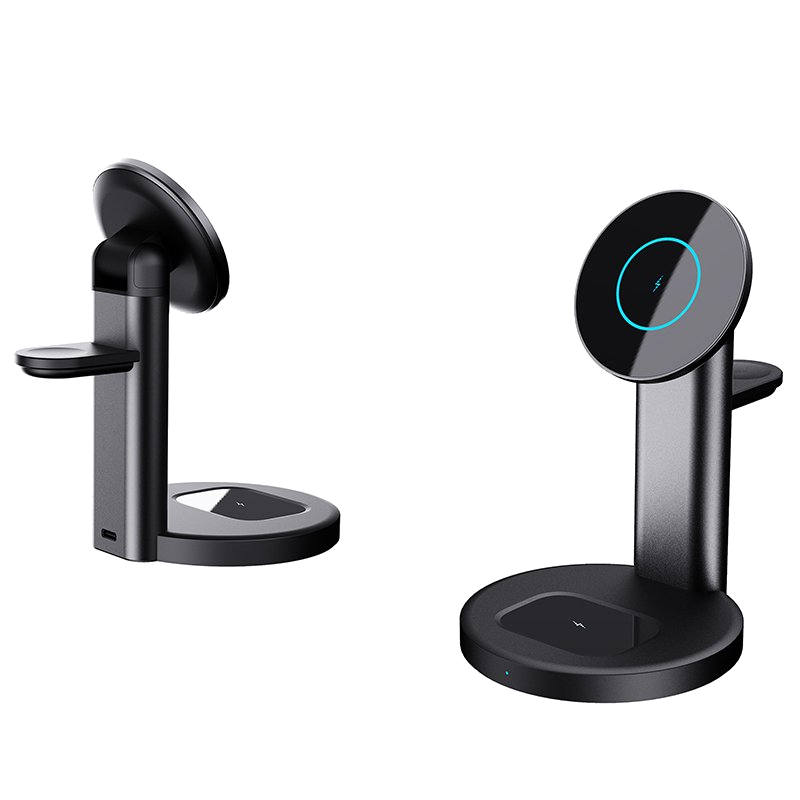
So is the magnetic wireless power bank a boom or a bubble? The certification curve speaks for itself: this is a category that has planted its feet and keeps scaling, not a flash in the pan. For anyone still carrying a wired brick, 2026 is probably the turning point where magnetic solutions shift from novelty to default. When 3-in-1 charging stands and magnetic power banks each hold their post on the desk, wireless top-up will finally have become ordinary.
本文由山务原创发布,转载请注明出处。
Copyright © 2026山务 . All Rights Reserved.