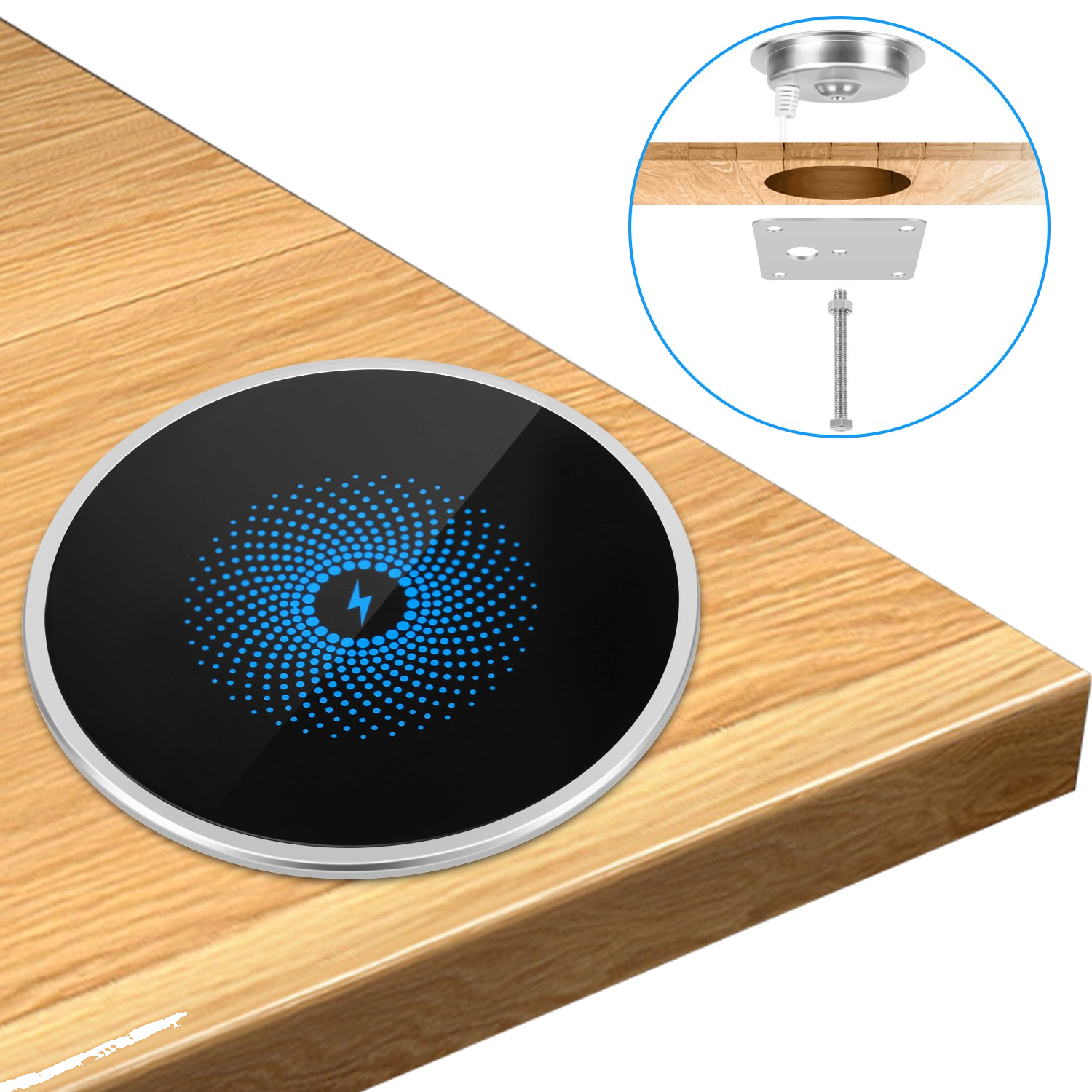
上周去一家连锁咖啡馆,随手把手机往木桌中间一放,没贴任何线圈标记,居然就充上了。回头看才发现,那块桌面底下藏着一圈几乎看不出的充电区——这就是 2026 年家居公共场所无线充正在发生的事:它不再是一个摆在外面的小圆盘,而是直接长进了桌子、茶几和座椅里。PW Consulting 的《全球无线充电桌类市场 2026》显示,2025 年这个细分市场差不多 3.23 亿美元,其中商业和酒店类占了 63.7%,比住宅和交通枢纽加起来还多。
The "invisible charging" trend is quietly reshaping how public venues think about power. Instead of bolting a puck onto a table, furniture makers are embedding the coil under wood, stone or laminate so the surface stays clean. PW Consulting pegged the 2025 wireless-charging-tables market at roughly USD 323 million, with commercial and hospitality buyers — hotels, restaurants, conference centres — taking 63.7% of that spend. They'd rather buy one fitted table than scatter adapters across the floor.
为什么酒店和机场跑得最快?说白了,这类地方做一次采购决策,整片区域就覆盖到了。一份行业报告里提到,全球公共充电点位已经超过 18.5 万个,机场、酒店、办公室、商业设施都在列;另有调研说约 36% 的企业办公室已经开始部署嵌入式无线充电家具。对运营方来说,这东西不是成本,是体验——客人手机没电了,往茶几一搁就续上,谁还去问前台要充电线。
Airports and hotel lobbies move first because a single procurement decision lights up an entire zone. One report puts global public charging installations above 185,000 sites spanning airports, hotels, offices and retail; another survey found around 36% of corporate offices already deploying embedded wireless-charging furniture. For operators it reads less like an expense and more like a small amenity that keeps guests from queuing at the front desk for a cable.
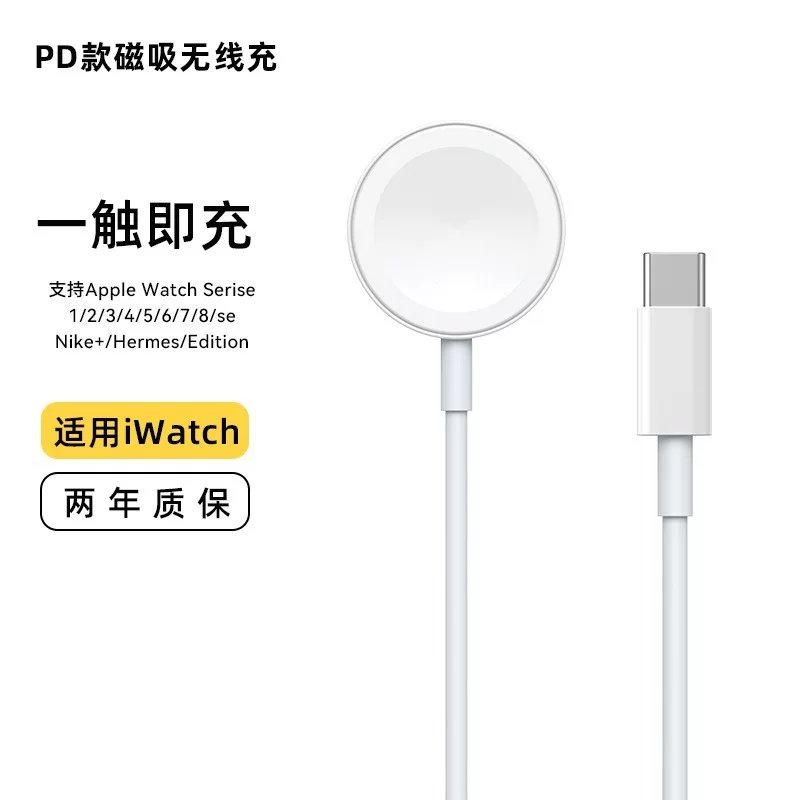
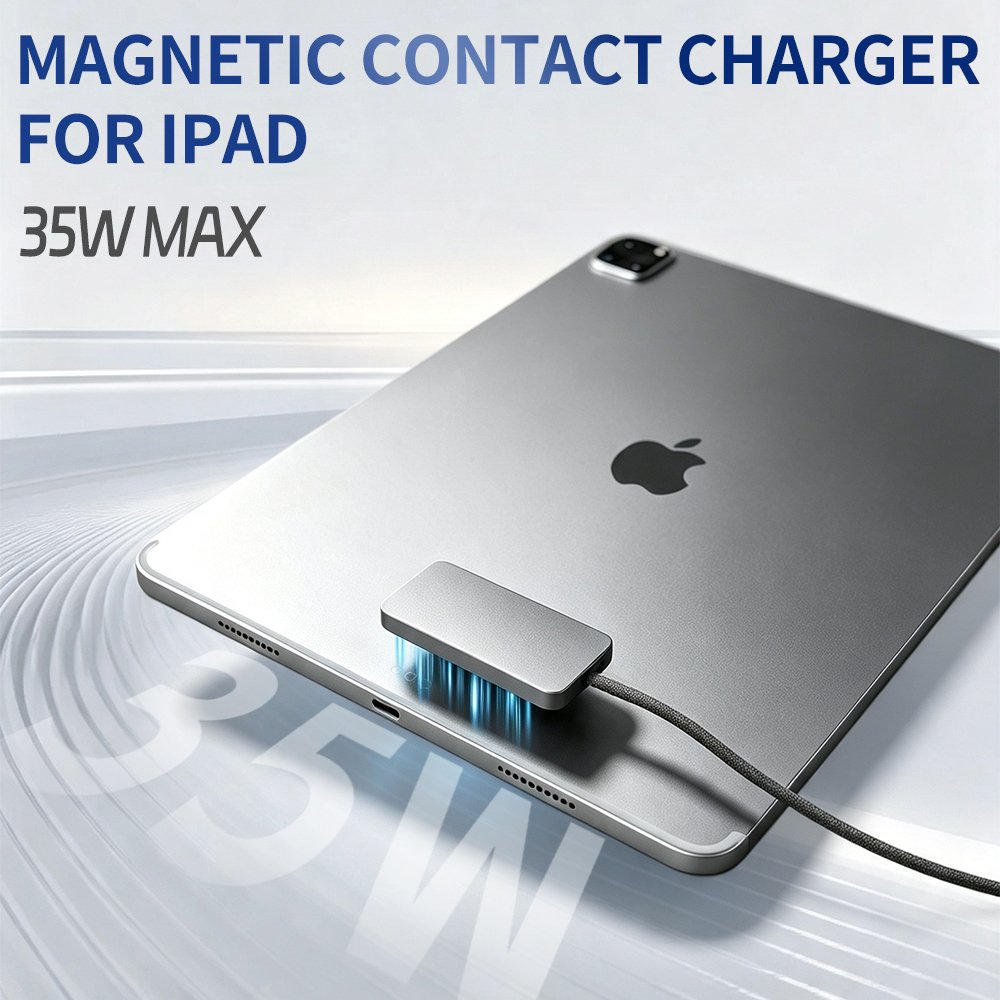
技术上,真正的拐点来自磁共振和磁吸对位的成熟。老式平铺线圈必须对准,歪一点就断充;现在共振方案允许你把手机随便往桌面一丢,多设备无线充也能同时喂手机、耳机和手表。WPC 的 Qi2.2 把磁吸功率拉到 25W、并强制机身表面温度压在 40℃ 以下之后,家具厂终于敢把磁吸无线充方案塞进怕热的木质和石面里。像 IPAN、InvisQi 这类厂商做的,就是在木桌、石材底下埋线圈,还能做到表面完全看不见。
The real enabler is the maturation of resonant coupling and magnetic alignment. Old flat coils demanded near-perfect placement; resonant pads let you drop a phone anywhere on the surface, and multi-device wireless charging now tops up phone, earbuds and watch at once. Once WPC's Qi2.2 pushed magnetic power to 25W with a hard sub-40°C thermal ceiling, furniture vendors finally felt safe burying coils under heat-sensitive wood and stone. Firms like IPAN and InvisQi build exactly that — coils hidden under the surface, nothing visible from above.
有意思的是,这条赛道拼的不是谁更便宜,而是谁能把「设计与定制」和「生产与销售」一并兜住。酒店要的是能和现有家具风格统一的嵌入式模块,机场要的是防撬、耐造、能集中管理的固定件,咖啡馆可能只想买个能租的电池款桌子。Journey 在 2025 年 2 月推的 ALTI Play、Aircharge 的电池款会议桌,本质上都是在用不同的交付方式抢同一批 B 端客户。
What's interesting is that this niche doesn't compete on price alone — it rewards vendors who can own design, customization, production and sales end to end. A hotel wants an embedded module that matches its existing furniture language; an airport wants tamper-resistant, centralized-managed fixtures; a café might just rent a battery-powered table. Journey's ALTI Play (Feb 2025) and Aircharge's battery tables are really different delivery models chasing the same B2B buyer.
对想进场的小厂来说,机会其实在 OEM。你不必自己卖品牌桌,只要把三合一无线充电器、磁吸无线充的模组做稳定、能过 Qi2.2 认证,就能塞进别人的家具里。和磁吸无线充电宝的逻辑一样,桌面方案也越来越看重磁吸对位准不准、满载时功率匀不匀、长时间开着烫不烫。谁能把这些细节做扎实,谁就能在「充电家具化」这波里分到一杯羹。
For smaller entrants, the opening is OEM. You don't need to sell a branded table — stabilise a 3-in-1 wireless charger or magnetic wireless charger module, get it Qi2.2-certified, and it slots into someone else's furniture. Same logic as magnetic wireless power banks: the desktop game now hinges on alignment accuracy, even power split under load, and staying cool during all-day use. Nail those details and you ride the "charging-furniture" wave without owning a showroom.
说到底,无线充电的下一站不是更快,而是更看不见。当桌面上的无线充电器从桌上的小圆盘变成桌子本身,用户连「我在充电」都意识不到的时候,这事儿才算真正普及。2026 年只是起步——等共振多设备方案和 Qi2.2 模组成本再降一档,你家餐桌、公司会议室、地铁座椅,大概率都会悄悄长出充电的本事。
At the end of the day, the next stop for wireless charging isn't faster — it's more invisible. The moment the wireless charger on your desk stops being a puck and becomes the desk itself, and users stop even noticing they're charging, that's when it's truly mainstream. 2026 is only the opening move; once resonant multi-device pads and Qi2.2 modules drop another cost tier, your dining table, meeting room and subway seat will quietly learn to charge.
本文由山务原创发布,转载请注明出处。
Copyright © 2026山务 . All Rights Reserved.