上个月底,无线充电联盟(WPC)更新了一组数字:截至 2026 年 2 月,通过 Qi2.2(25W)认证的无线充电产品已经超过 637 款,加上兼容 Qi2 的设备,市面上能见到的新品突破 2600 款。一年前这还被不少人当成“实验室里的标准”,现在货架上的货已经摆不下了。对于一个做了十几年的老技术来说,这种增速确实有点反常。
What changed isn't the idea of wireless charging—it's the experience. Qi2.2's 25W ceiling delivers roughly 72% battery in 30 minutes, versus 22% on the old 15W pads, and it finally killed the 'place it perfectly or it won't charge' frustration through magnetic alignment. When charging actually works without thinking about it, people stop reaching for the cable.
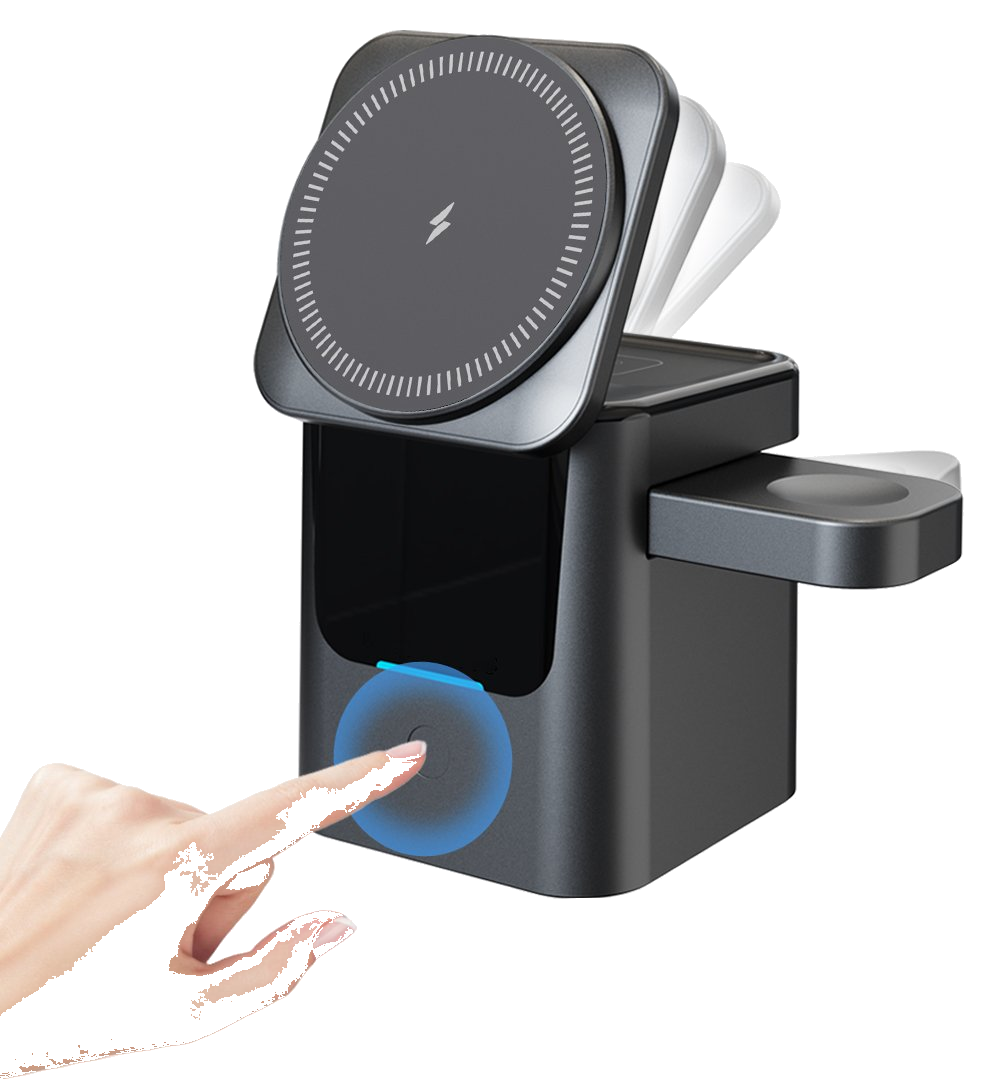
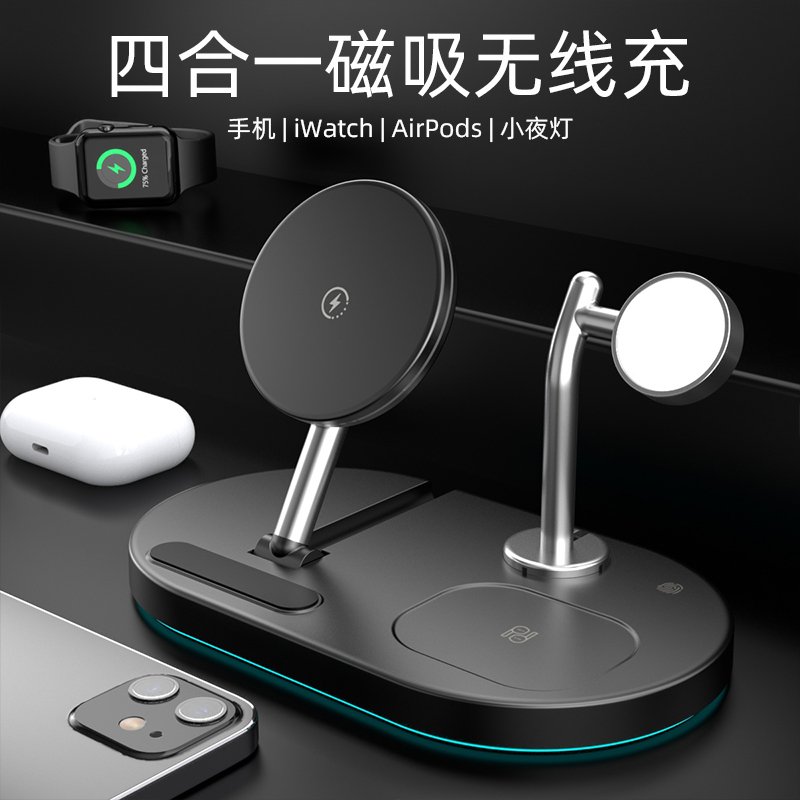
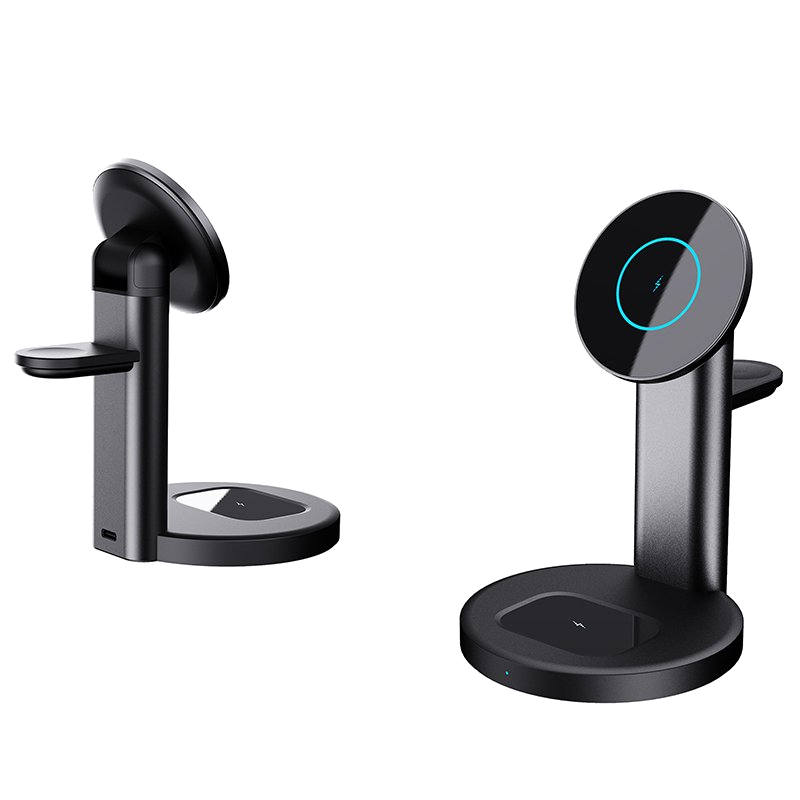
最核心的变量是磁吸。MPP(Magnetic Power Profile)线圈架构让手机自己“吸”到最佳位置,这直接带火了整个磁吸无线充品类。从手机壳内置磁环,到桌面支架、车载支架,再到能同时给手机、耳机、手表补电的三合一无线充电器,磁吸几乎成了 2026 年新品的默认选项。WPC 的认证数据里,多设备充电站(3 合 1、4 合 1)已经是占比最大的品类——大家不想再为每个设备配一个充电器了。
The numbers back this up. Multi-device stations—charging a phone, earbuds, and a smartwatch from one pad—are now the single largest product category in Qi2.2 certifications. Buyers aren't shopping for 'a charger' anymore; they want one quiet station that replaces the entire drawer of cables. It's less about specs and more about clearing the clutter on the nightstand.
有意思的是,磁吸无线充电宝也开始卷起来了。以前充电宝就是个砖头,现在做成薄薄一片、背面带磁吸,往手机上一贴就能边走边充,机场、咖啡馆里越来越常见。这类磁吸无线充电宝的便携形态,正好踩中了“随时随地补电”的真实需求,而不是堆参数。
And it's not just the bedside table. Home and public-space wireless charging is creeping into airports, cafés, and even some EV cabins—Porsche's 2026 all-electric Cayenne now ships with 11kW factory wireless charging as standard. The 'drop and forget' model is moving from a premium gimmick toward something venues quietly install to keep guests happy.
标准还在往上走。今年 6 月,WPC 把一场线下技术会议首次搬到了北京小米园区,苹果、华为、OPPO、vivo、谷歌、安克等 20 多家企业、90 多名工程师围着下一代 Qi 50W 高功率标准做样机实测和跨品牌互通测试。国产方案如果被写进国际标准,国内做设计与定制、生产与销售的工厂出海门槛会低不少——这对产业链是实打利好的事。
Behind the standard work is a supply chain that's gotten very good at this. Contract manufacturers handling design and customization, plus the production and sales scale across the Pearl River Delta, mean a credible Qi2.2 product can go from prototype to shelf faster than most people expect. The barrier now is compatibility and certification, not capability.
当然,热归热,坑也不少。2026 年起欧盟对无线充电产品强制执行 EN IEC 63563 合规认证,没过 Qi2 认证的根本进不了关。对想做出口的厂家来说,认证和温控测试成了绕不过去的硬指标。不过反过来看,这反倒帮消费者筛掉了一批偷工减料的便宜货。
For buyers, the practical takeaway is simple: look for the Qi2 or Qi2.2 mark before assuming 'fast wireless' actually means fast. The logo isn't marketing—it's the only reliable signal that the pad will align magnetically, stay cool, and deliver the watts it promises. Everything else is a gamble.
回过头看,无线充电器这条老赛道在 2026 年突然加速,靠的不是某个黑科技,而是磁吸把“好用”这件事补齐了。当多设备无线充能随手一放就满电、家居公共场所无线充开始铺开,用户才真正愿意把线收进抽屉。下一个拐点大概率是 Qi 50W,但那是以后的事——眼下这波普及,才刚刚开始。
The 2026 wireless charging story isn't about a single breakthrough; it's about the whole ecosystem finally clicking into place—standards that work, products that align themselves, and a market that's done waiting. For once, the cable really might stay in the drawer.
本文由山务原创发布,转载请注明出处。
Copyright © 2026山务 . All Rights Reserved.