
When wireless charging first went mainstream, most people assumed it was a phone-only perk. In reality, several gadgets in your home have used it for years — electric toothbrushes and shavers tucked an induction coil into the base decades ago. Wireless power transfer is not the phone's invention; the phone merely brought it into the spotlight.
The electric toothbrush is the textbook example. Oral-B's iO line and every Philips Sonicare model charge by induction: a coil in the base, a coil in the handle, power crossing a sealed plastic shell so the whole unit stays waterproof. What many miss is that toothbrush charging is not the same standard as phones — it runs each brand's own proprietary inductive protocol, not Qi. You cannot drop a brush onto a phone pad, nor can a phone sit on a toothbrush base.
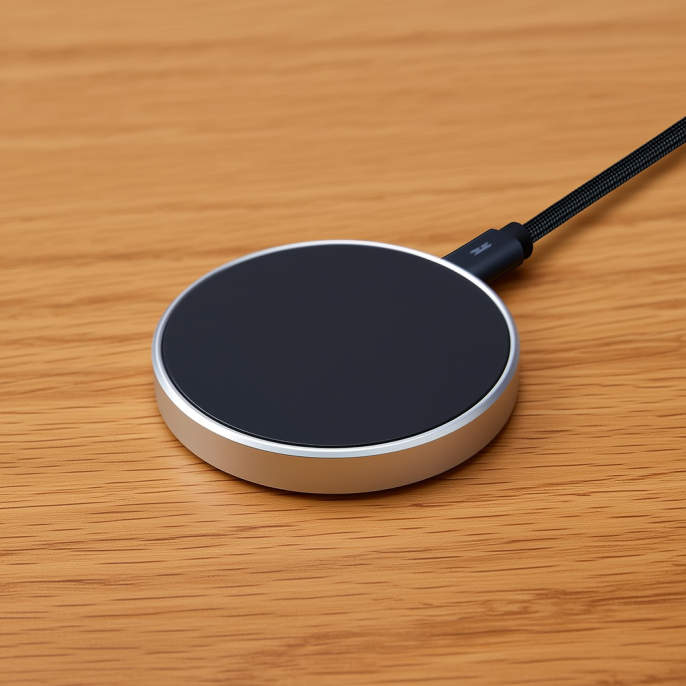
Electric shavers follow the same logic. Many mid- to high-end Panasonic and Philips models ship with an induction charging stand, with no exposed metal contacts on the shaver side; power is drawn across the gap by a coil. The upside mirrors the toothbrush: the base can be wiped under running water without short-circuit risk. The conclusion is the same — it will not speak to your phone's charging pad.
The computer mouse is another telling case. Logitech's POWERPLAY charging pad builds an energy field across the whole mat through electromagnetic resonance, and with its dedicated POWERCORE module it keeps mice like the G502, G703, G903, PRO Wireless and PRO X SUPERLIGHT topped up while you use them. Note it is not Qi either — you need Logitech's own module and one of those specific mice; a random mouse gains nothing. Those four words on the box can hide two completely incompatible coil systems.
The device that actually shares a pad with your phone is the true-wireless earbud case. Mainstream TWS cases like AirPods Pro, AirPods (3rd gen) and Samsung Galaxy Buds mostly follow Qi, drawing just 2 to 5W — plenty for a tiny battery. Snap the lid shut, set the case on a phone pad, and the green light means charging has started; this is the part that truly is interchangeable. But the case coil is small, so a flat pad beats a vertical stand for stable alignment.
Smartwatches deserve their own category. Apple Watch has never worked on a standard Qi pad; it uses Apple's own magnetic puck. Most Samsung Galaxy Watch models run a proprietary protocol too, and a normal pad will not charge them. That is why a 3-in-1 charger can feed a phone, earbuds and a watch at once — it hides three coil systems inside: Qi for phone and earbuds, plus a brand-specific magnetic module for the watch. The 3-in-1 label alone means nothing; check that the watch slot fits your watch.
A few more for the list: bedside wireless-charging lamps, Bluetooth speakers with built-in Qi, car cup-holder chargers and hotel nightstand pads — most of these home and public wireless chargers are built to Qi outright, so phones and earbuds both work, the multi-device wireless charger moving into daily life. But toothbrushes, shavers and gaming mouse pads all speak their own protocol and die with the brand. The rule is simple: whether devices share one pad depends not on the words wireless charging but on a Qi or Qi2 logo.
One frank note for anyone building charging accessories: stamping wireless charging on the box is too vague, and the bad reviews write themselves when a user gets home and finds the toothbrush or watch will not charge. Mark the actual protocol — Qi or Qi2 — and the wattage honestly; that beats any adjective. For everyday users, the calmest setup is one Qi family pad by the bed where the phone, earbud case and any Qi watch all drop on; toothbrushes and shavers can stay on their own bases.
This article is originally published by Shanwu. Please credit the source when reposting.
Copyright © 2026 Shanwu. All Rights Reserved.