
Scroll through Xianyu or Zhuanzhuan and you will keep hitting like-new magnetic wireless chargers and magnetic power banks priced at around a third of retail. The temptation is real, but here is the blunt take: a plain charging pad is relatively safe secondhand, while a used magnetic power bank with a built-in cell is a minefield you should usually avoid.
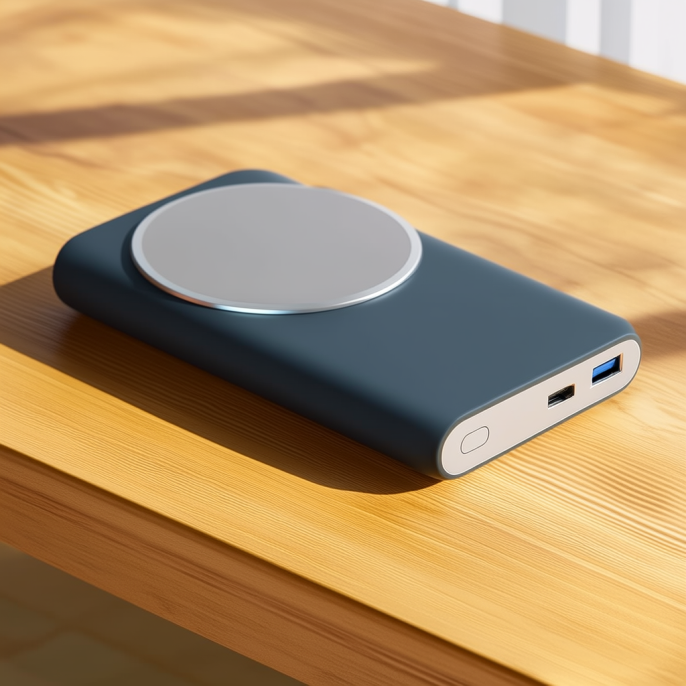
A magnetic wireless power bank is, at its core, a power bank with a cell inside. The industry benchmark for lithium cells is roughly 80% remaining capacity after about 300 full cycles, so after two or three years you are typically down to 60 to 80 percent. The harder rule: since 1 August 2024, power banks without CCC certification simply cannot be sold in China, and a large share of the unlabeled units on secondhand platforms are already non-compliant. The conclusion is blunt—check CCC first on any used power bank; if it is missing, swipe away.
The real danger in a used power bank is the damage you cannot see. Teardowns of 99-percent-new units bought on secondhand apps have found 20,000mAh labels hiding only 8,000mAh of real capacity, and some were stuffed with iron plates and sand just for weight; others had their over-charge, over-discharge and short-circuit protection stripped out entirely. You cannot read a battery's cycle count, and a seller's barely used is unverifiable. Conclusion: anything priced below half of a new unit is far more likely a trap than a bargain.
Magnetic models add another layer of risk, in the magnets and coil. Neodymium magnets lose strength after prolonged heat or drops, and once pull force drops below roughly 800gf the phone slips and misaligns, so charging stutters and heats up. If the coil has shifted from an impact, the usable charging zone shrinks and even a slight offset kills the charge. Conclusion: with any used magnetic charger, test the hold and alignment on the spot—if it will not stick, do not compromise.
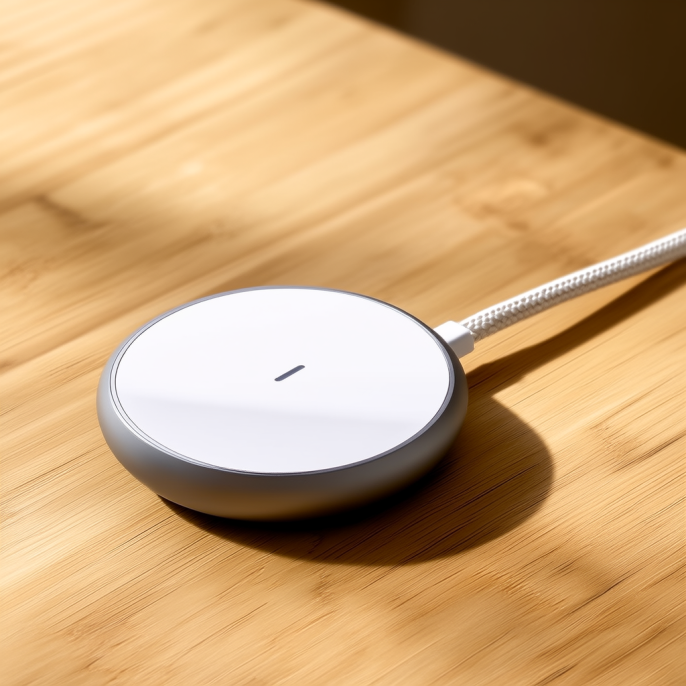
A flat pad or stand charger without a cell is genuinely lower risk—there is no swelling, fire-prone battery inside, and the main worries are aged components and missing thermal control. But it still has to clear the certification bar: look for the WPC Qi or Qi2 mark and verify the model and Qi-ID in WPC's certified-product database; do not be fooled by a vague compatible label on the box. Conclusion: a plain charger is fine secondhand, but only buy a certified one with no casing damage.
How do you actually check? For a power bank's CCC, go to the national accreditation platform or the China Quality Certification Centre (cqc.com.cn), enter the certificate number or company name, and only trust it if the status reads valid and the model matches; since 1 March 2026, newly certified power banks must also carry a traceability QR code you can scan for the certificate. For Qi, verify on WPC's site. Conclusion: spend two minutes checking before you pay—it beats arguing after delivery.
When the item arrives, do not plug it in yet—run a four-step check. First, inspect: oxidized plug, frayed cable, cracked shell. Second, test a charge on an old phone and watch speed and heat; reject anything that gets uncomfortably hot. Third, verify output with a USB tester or your phone's engineering menu and flag any big gap from the claim. Fourth, give a magnetic power bank a shake—a rattle usually means a weight block inside. Conclusion: if any step fails, return it through the platform.
At the end of the day, whether a used wireless charger or magnetic power bank is worth it depends on the type and the channel. A certified plain pad is worth hunting for; for magnetic power banks, stick to genuine personal idle units with original packaging and purchase records, and avoid professional resellers. Skip anything priced under half of new, anything without CCC, and anything with no real photos or test video. If you want peace of mind, new units from Redmi, Anker, or UGREEN run under 100 yuan with CCC and warranty—safer than gambling on used. Conclusion: saving money only counts if you are not betting on safety.
This article is originally published by Shanwu. Please credit the source when reposting.
Copyright © 2026 Shanwu. All Rights Reserved.