On September 28, Honor unveiled the Magic9 series in Beijing. The top-end Magic9 Pro Max carries an 8,800mAh Qinghai Lake blade battery at 1,000Wh/L, pairs 100W wired fast charging with 80W wireless fast charging, and also supports 50W in-car wireless charging across more than 300 vehicle models. China's current rules cap wireless charging power for portable devices at exactly 80W, in force since September 1, 2024. In other words, the phone side of wireless charging has already walked up to the regulatory ceiling.
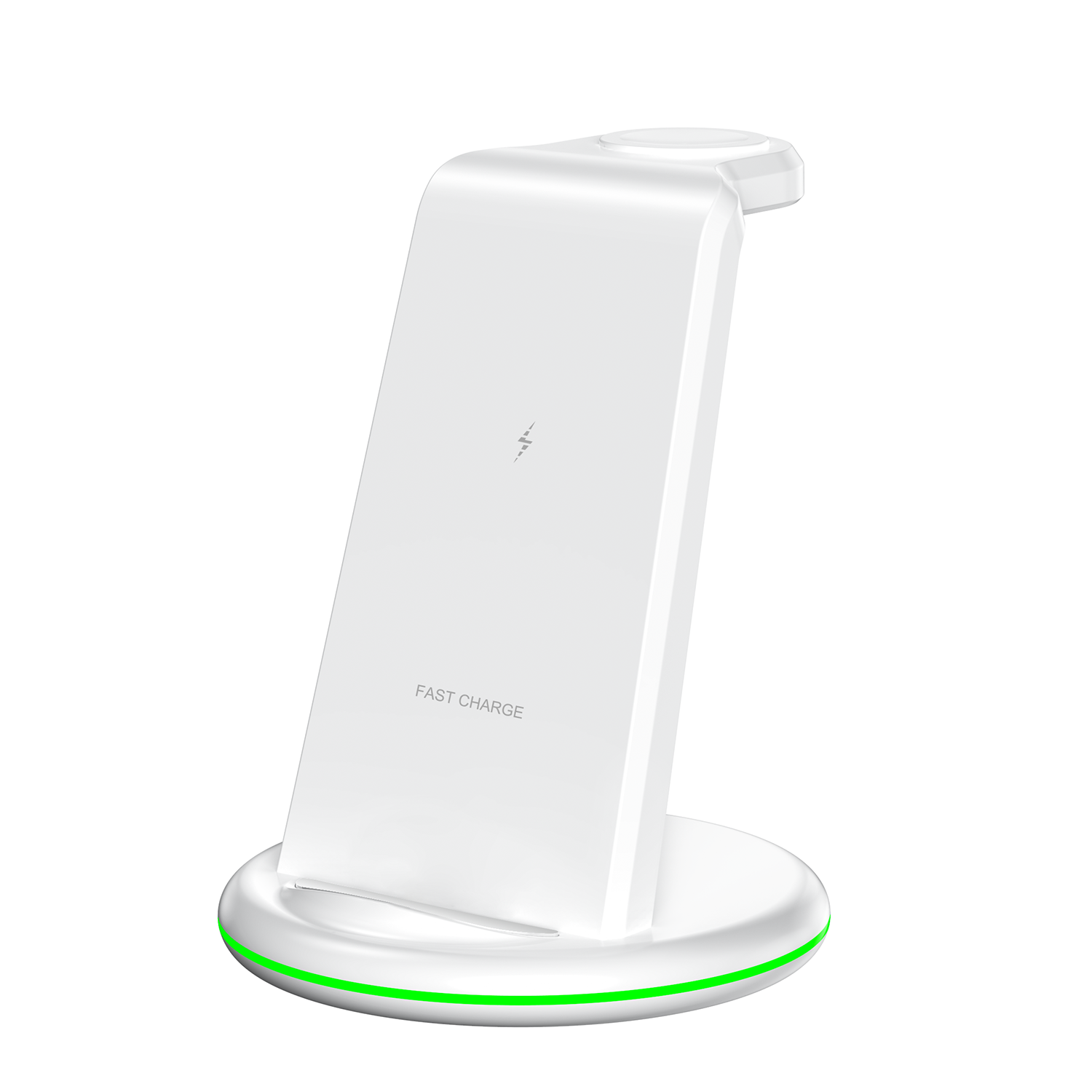
Yet in the same month, the accessory side tells a different story. OPPO's AIRVOOC 50W Magnetic Charger 2 is already on sale across markets outside China — Germany, France, Spain, Japan and Malaysia among them — with Qi2.2 support. On OPPO and OnePlus phones it reaches 50W, taking the foldable Find N6 from zero to half in about 34 minutes. On anything that is not OPPO hardware, power is capped at 25W. One dock, two very different power curves — which is about as honest a picture of wireless charging as you will get right now.
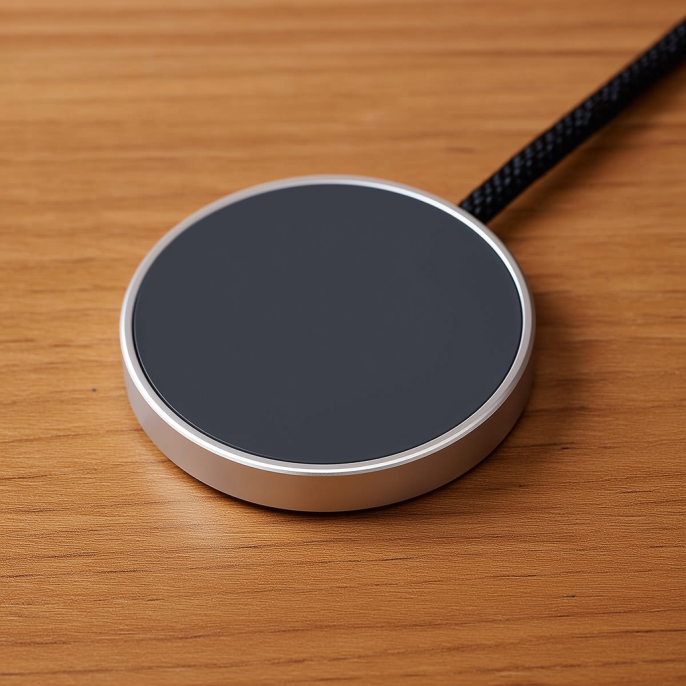
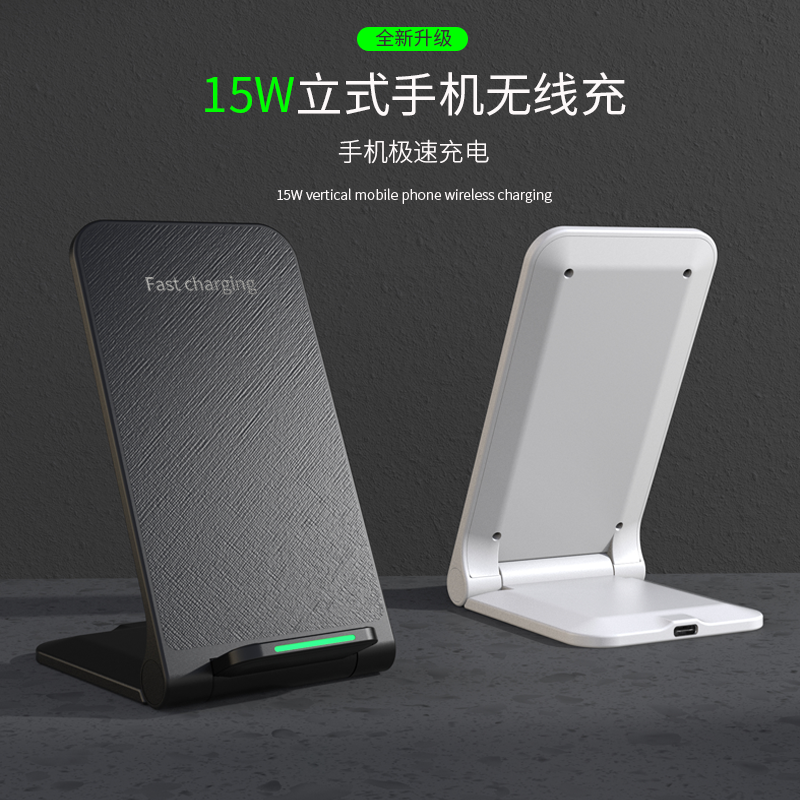
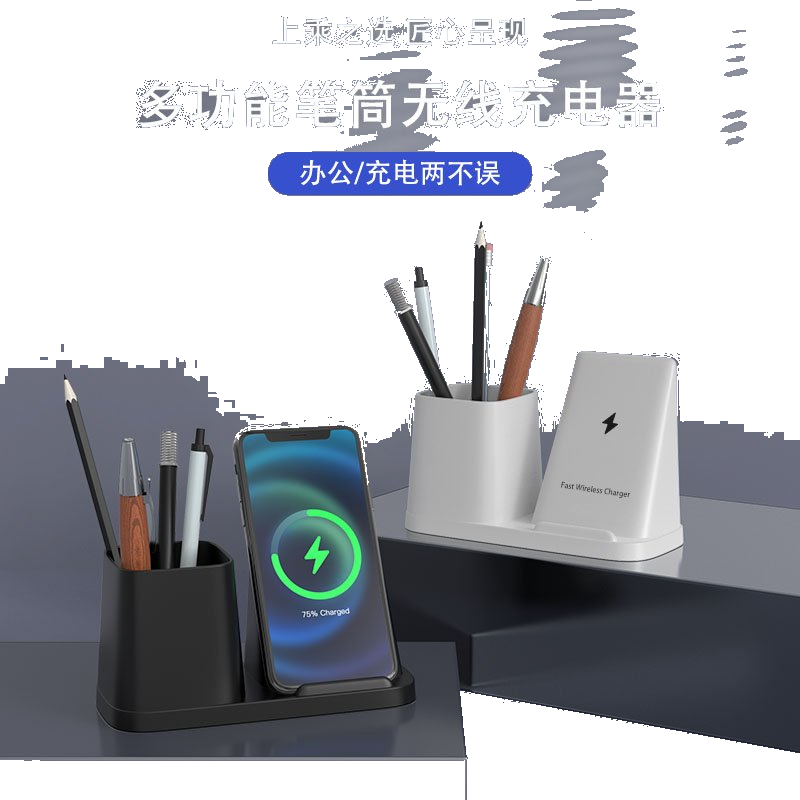
Lay the proprietary tiers side by side and the spread is wider than most people assume. Xiaomi's proprietary wireless path reaches 80W, OPPO goes to 80W, OnePlus and Huawei sit at 50W, and Samsung stops at 25W. None of those numbers are false — they just require the brand's own dock. Put the same phone on a generic third-party Qi pad and power often falls back to somewhere between 5W and 15W. The impressive figures on the spec sheet rarely survive a change of brand.
The reason is not mysterious. Wireless charging transfers energy through electromagnetic coupling between two coils, and efficiency depends on alignment accuracy and thermal management together. High power needs three things to line up at once: matching coil geometry, a firmware handshake that agrees, and a cooling strategy that keeps up. A proprietary protocol can lock all three down, which is how 80W happens — at the cost of tying users to that brand's chargers, power banks and car mounts. Swap in another brand's accessory and the speed falls back to square one.
On the open-standard side, Qi2.2 raised the ceiling from 15W to 25W in 2025 and is so far mainly in the hands of Apple and the companies building iPhone accessories. At 25W, the competition is no longer about wattage but about heat. Anker's new MagGo 2 Pro uses active air cooling plus graphene layers to hold the back of the power bank below 36°C, an achievement that earned it an SGS performance rating; UGREEN put liquid cooling inside a magnetic power bank. Both claim 25W, but only the one that keeps temperatures down holds that rate.
The progress of the next standard, Qi 50W, is worth noting. From June 22 to 25, 2026, the WPC held its Qi off-cycle technical meeting at Xiaomi's Beijing campus for the first time, drawing engineers from more than 20 companies — Apple, Huawei, Honor, OPPO, vivo, Google, Anker, Luxshare Precision and others — over 90 people in all. They worked through clause drafting, prototype measurement and cross-brand Plugfest interoperability testing. The target is 50W, which lines up neatly with where proprietary protocols already sit, with formal release planned for 2028.
The technical approach itself is changing too. The low-inductance, low-voltage, high-power architecture pushed by Xiaomi was submitted as a proposal in late 2024, went through 25W and 50W prototype demonstrations and cross-vendor interoperability tests in 2025, and passed review into the standard drafting stage in the first quarter of 2026. It targets a real constraint: the current Qi2.x coil structure is strict about geometry, and the coil module takes up space while resisting heat dissipation, which hurts most in foldables and in-car mounts — the two directions where internal room is scarcest. Writing that route into the international standard widens the design space for both device makers and module suppliers.
For both sides of the transaction, the conclusions are fairly direct. If you are buying an accessory, the protocol matters more than the wattage in the short term — confirm how much power it actually leaves for your model before talking about price. If you build for OEMs or supply modules, the move from 25W toward 50W means coils, cooling structures and protocol firmware all need to be upgraded together, and certification windows will be reshuffled. Whoever gets a 50W prototype through interoperability testing early will have a seat in the next round. The next phase of competition in wireless charging will not play out on a spec sheet alone.
This article is originally published by Shanwu. Please credit the source when reposting.
Copyright © 2026 Shanwu. All Rights Reserved.