
I keep a case on my phone all the time and am too lazy to take it off even to charge. After switching to a magnetic wireless charger recently, I finally looked into whether charging through a case actually works. The short answer: most thin cases are totally fine; only three types really fail — metal shells, wallet cases with magnetic strips, and absurdly thick rugged cases.
Ordinary thin cases barely matter. Shanghai's consumer council tested 18 wireless chargers and found 12 could charge 'through a case,' with a maximum transmission distance of 3.9 to 7.6 mm and an average of 6.0 mm. In other words, most chargers still deliver power through roughly 6 mm of case. Everyday TPU, silicone, or clear PC shells are usually just 1 to 2 mm — well inside that margin, so speed matches a bare phone. Magnetic-power-bank testing also showed identical charge levels with and without a non-magnetic case.
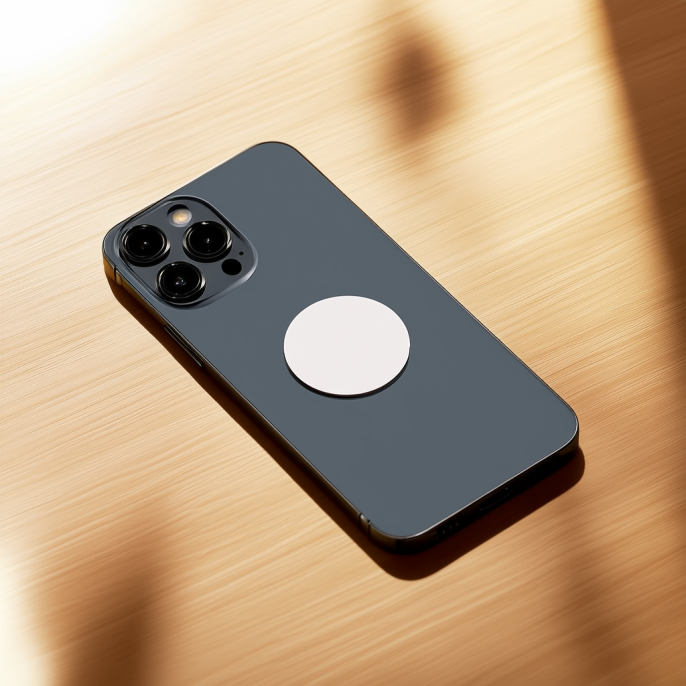
The deadly one is a metal case. The iron sheet stuck behind a traditional mount case, or a solid aluminum or stainless back plate, simply blocks electromagnetic induction — the phone either won't charge or heats up badly. This isn't 'a bit slower'; it physically chokes the magnetic circuit. Metal sandwiched between the transmitting and receiving coils is like a wall. So metal-back shells and mount cases hiding an iron plate are basically dead on a wireless charger.
Wallet and flip cases are the second trap, and they can ruin the cards inside. Many sewn-in wallet cases carry a magnetic strip or chip that, near the charging coil, disrupts alignment and can even erase the strip on an access card or bank card. Testers also warn against clipping anything inside a case, since metal debris hurts charging; magnetic-strip cards and smart keys left on the charging surface long-term lose performance or get damaged. For a card-carrying case, pull the cards out while charging, or just don't use that case on a wireless pad.
Very thick rugged cases are the 'charges, but don't expect full speed' group. Double-layer air-cushion shells like OtterBox often reach 3 to 4 mm or more, already near that 6 mm average limit. They do charge, but the coils easily misalign — magnetic versions pull straight thanks to the magnets, while a plain Qi pad loses efficiency and runs hotter when off-center, and once thermal control kicks in the power gets cut. A thick case also presses the phone tighter against the pad, worsening heat dissipation, especially in summer.
On the flip side, a MagSafe or magnetic case is a plus. Apple says most cases work with wireless charging, and a magnetic case with a built-in ring actually helps the coil line up with the pad, holding steadier and aligning better. Testers also suggest that iPhone users who care about grip and keep a case on should just use a MagSafe case. Same for Android: a magnetic-ring case is what lets a magnetic power bank or car mount actually stick.
A few easy habits: before charging, feel whether a coin, key, or card is stuck in the case; don't leave magnetic-strip cards near the charging zone long-term; clean metal debris from the case seam, or the air gap grows, efficiency drops, and it heats up; and with a magnetic-stand case, make sure the ring lines up with the pad's coil — otherwise it snaps on but never charges, a false win.
For buying, one line says it: charge freely through a thin daily TPU or silicone case; go MagSafe if you want the magnetic ecosystem; never put a metal or wallet case on a wireless charger; a thick rugged case charges, but pick one with magnetic alignment and watch the heat. The case was never the enemy of wireless charging — wrong material and wrong thickness are.
This article is originally published by Shanwu. Please credit the source when reposting.
Copyright © 2026 Shanwu. All Rights Reserved.